22/04/2026Customer Experience Survey WinnersToyota is proud to announce the February 2026 winners of the Customer Experience Survey. E…Read More
27/01/2026Customer Experience Survey WinnersToyota is proud to announce the December 2025 winners of the Customer Experience Survey. E…Read More
19/01/2026Jarrad Wrigley crowned 46th Toyota Star Maker WinnerJarrad Wrigley, Nundubbermere, QLD has been crowned the 46th Toyota Star Maker winner afte…Read More
07/01/2026Toyota Australia announces measures to help combat vehicle t…Toyota corporate logoRead More
23/12/2025Customer Experience Survey WinnersToyota is proud to announce the November 2025 winners of the Customer Experience Survey. E…Read More
19/12/2025Toyota Go’s ‘12 Days of Giveaways’ Winners announcementFrom 1–12 December, we ran a series of daily competitions, some of skill and some of chanc…Read More
12/12/2025Toyota Go $1,000 Toyota Gift Card Winner - December 2025This month we asked Toyota Go members to tell us what dream their Toyota helped them chase…Read More
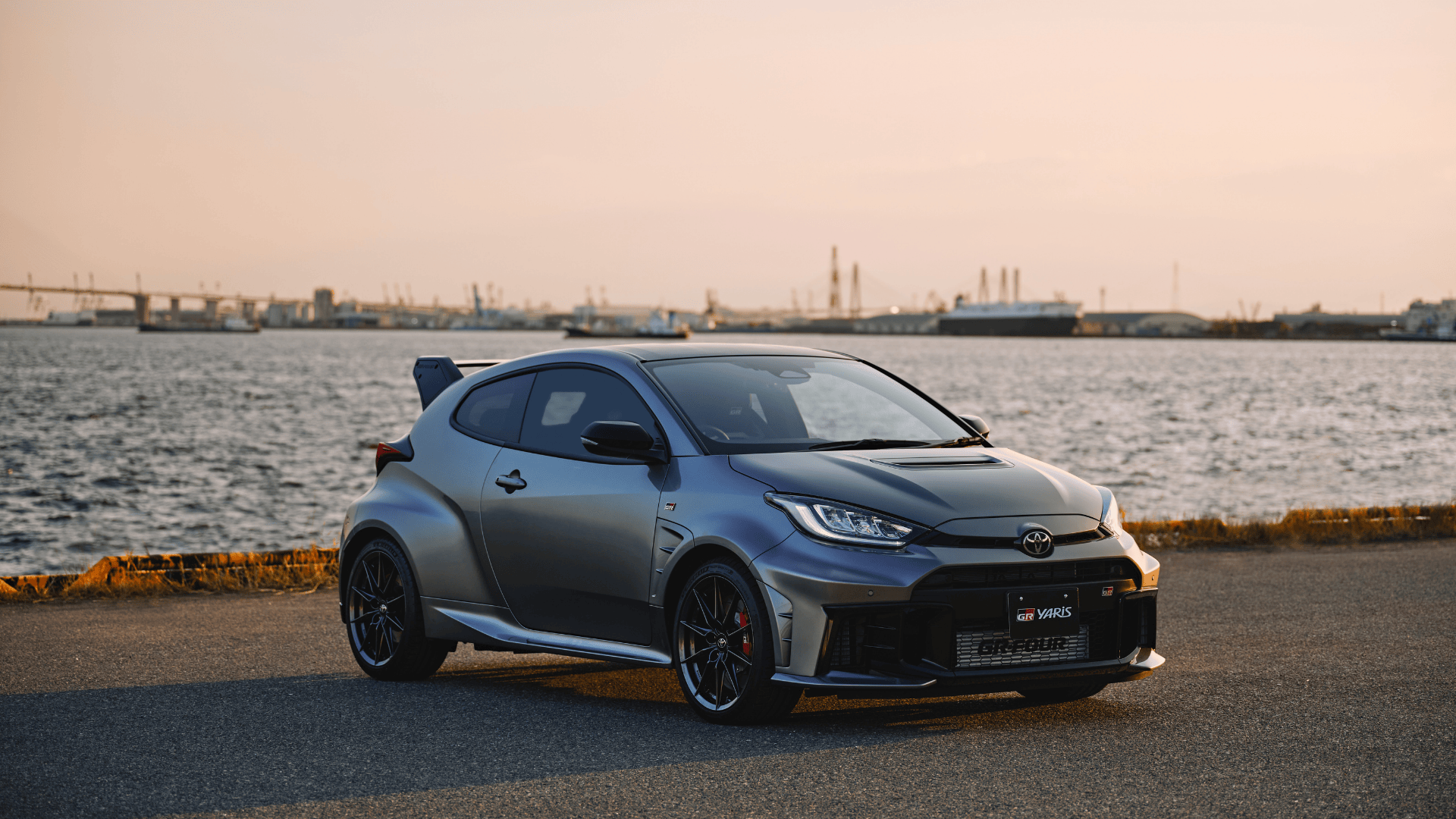
11/12/2025Dynamic New Toyota GR Yaris GTS Aero Performance Package Now…Toyota’s pulse-raising GR Yaris hot hatch has been made even more dynamic and engaging wit…Read More
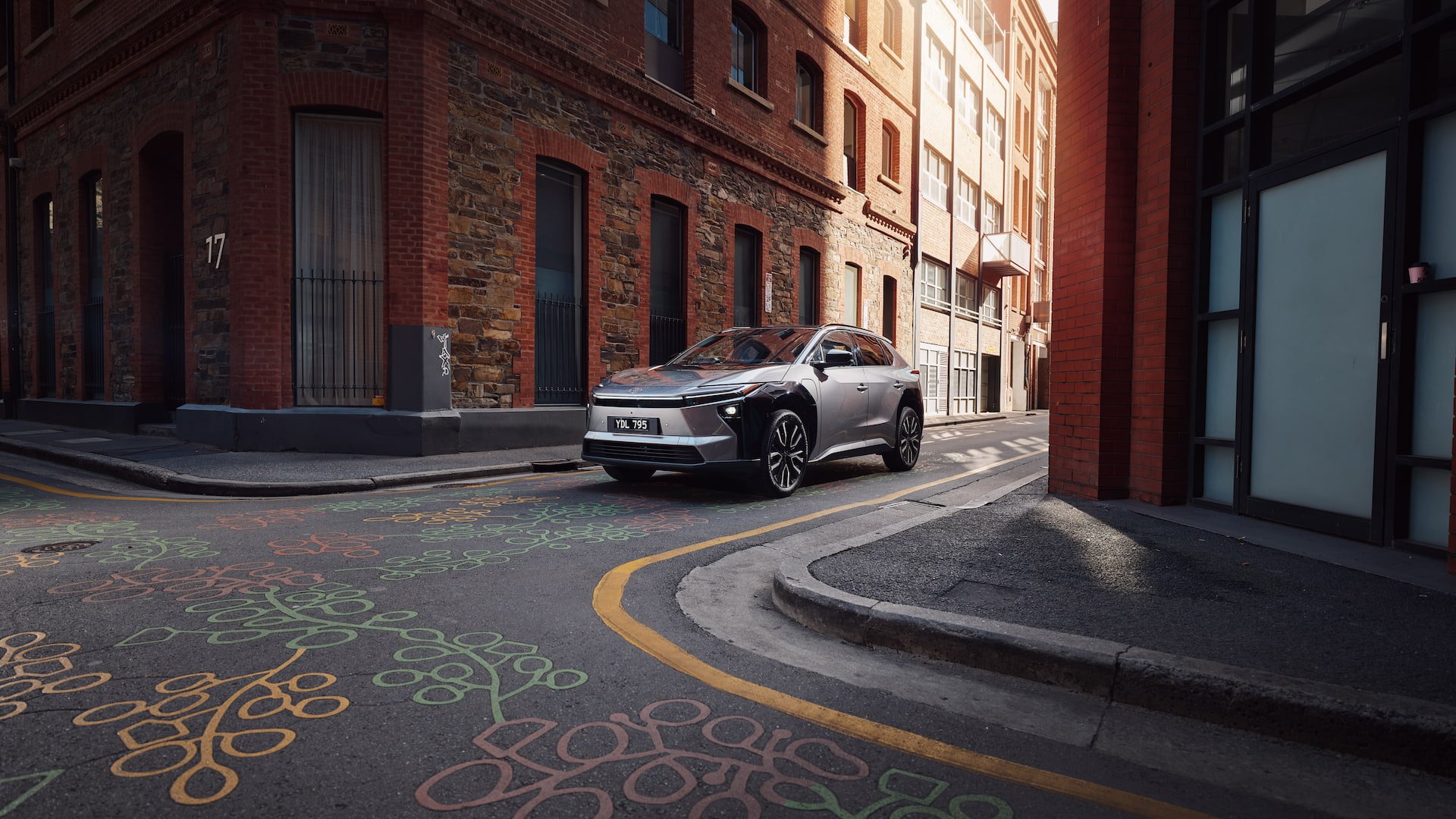
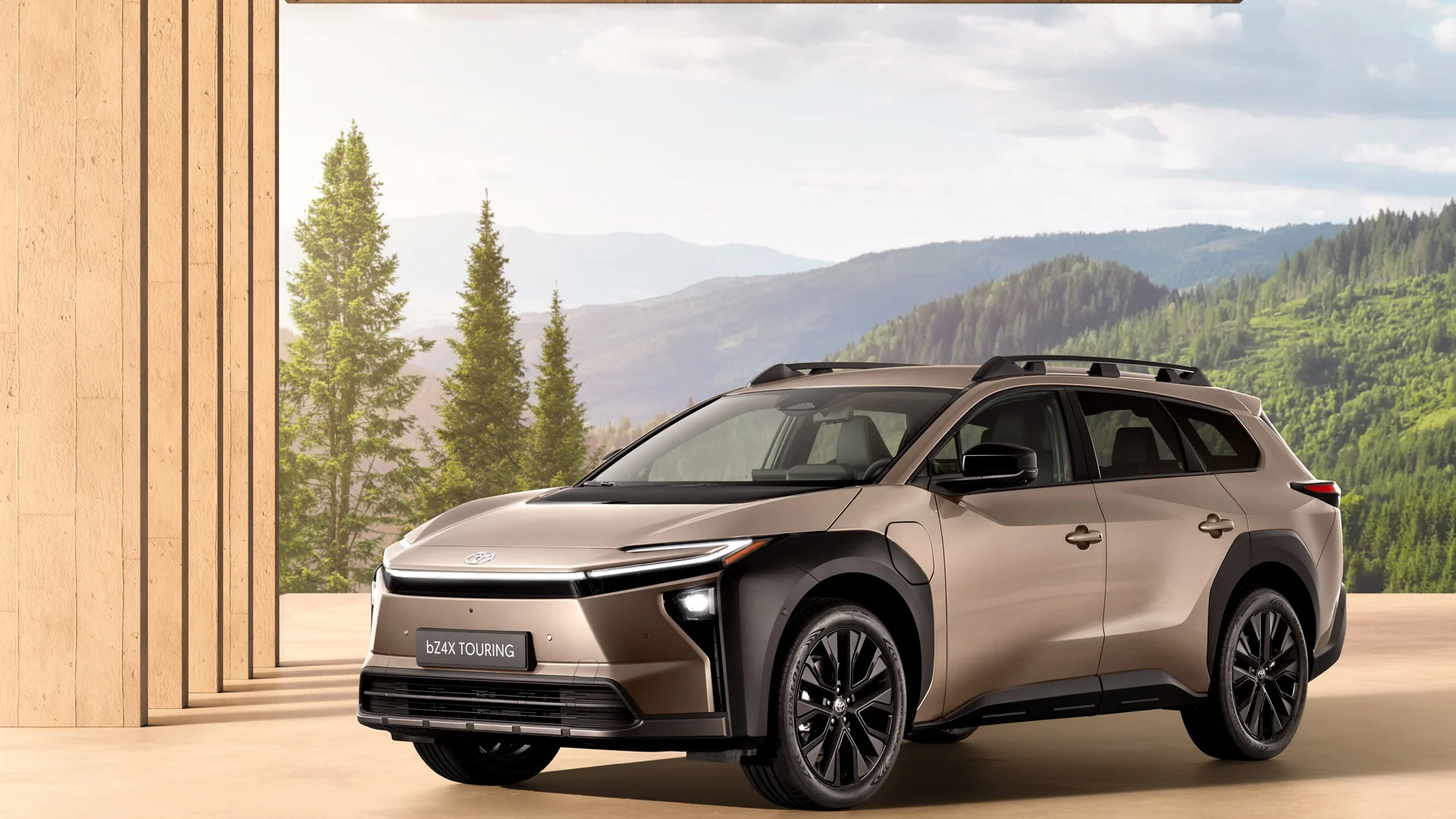
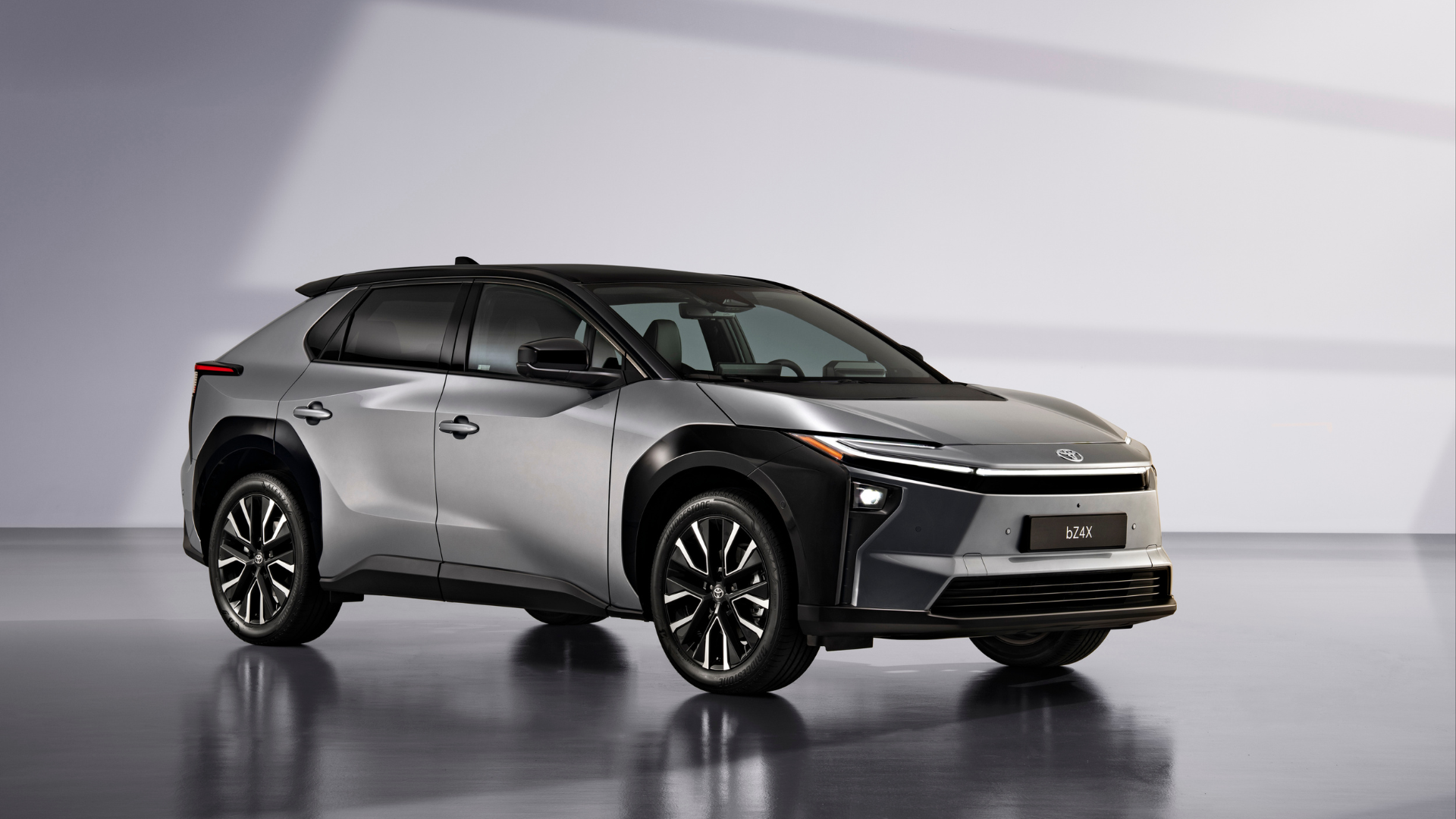
10/12/2025Upgraded Toyota bZ4X Battery-Electric Range Arrives in Austr…Toyota’s upgraded bZ4X battery-electric SUV is now on sale in Australia priced from $55,99…Read More
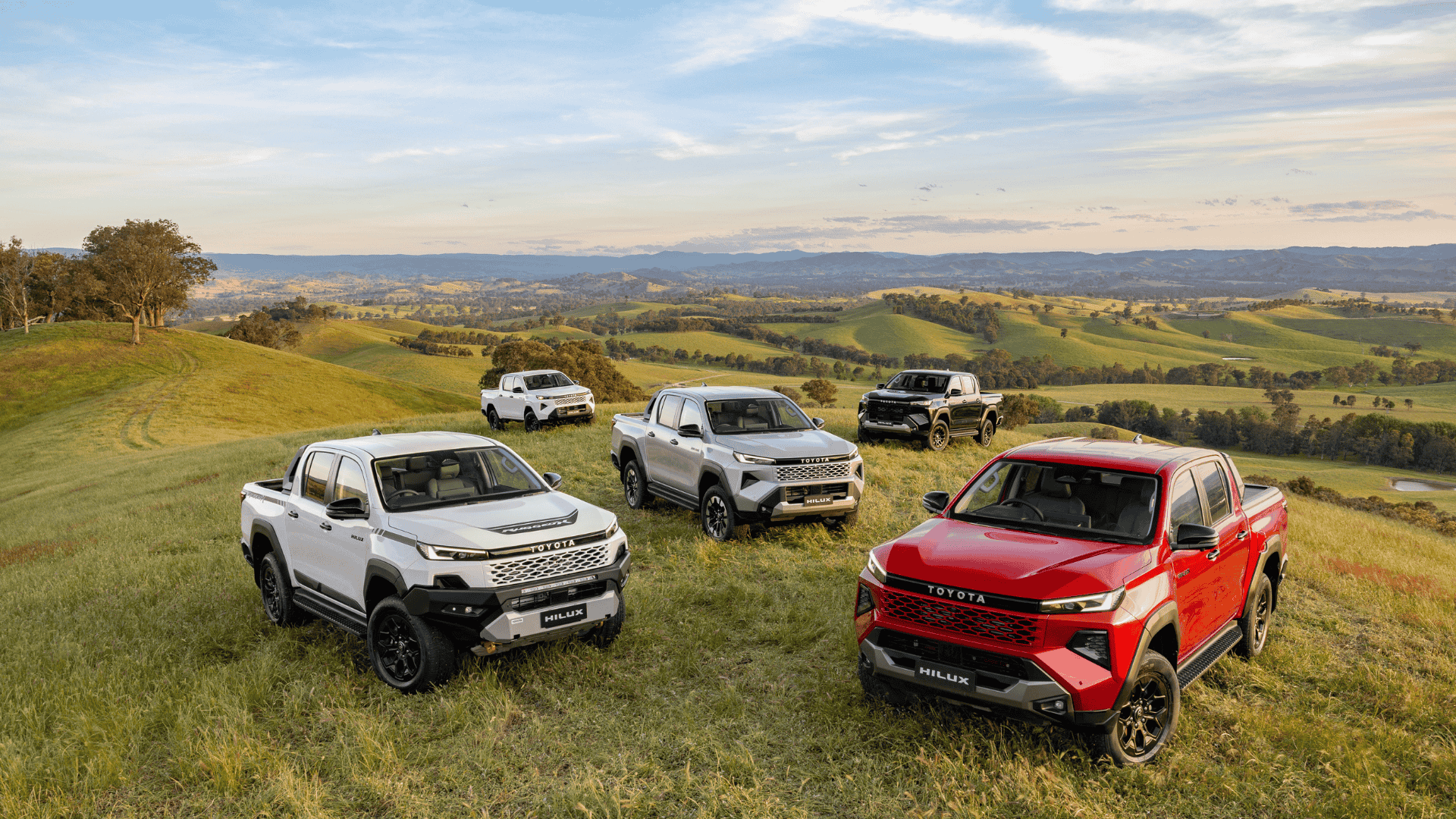
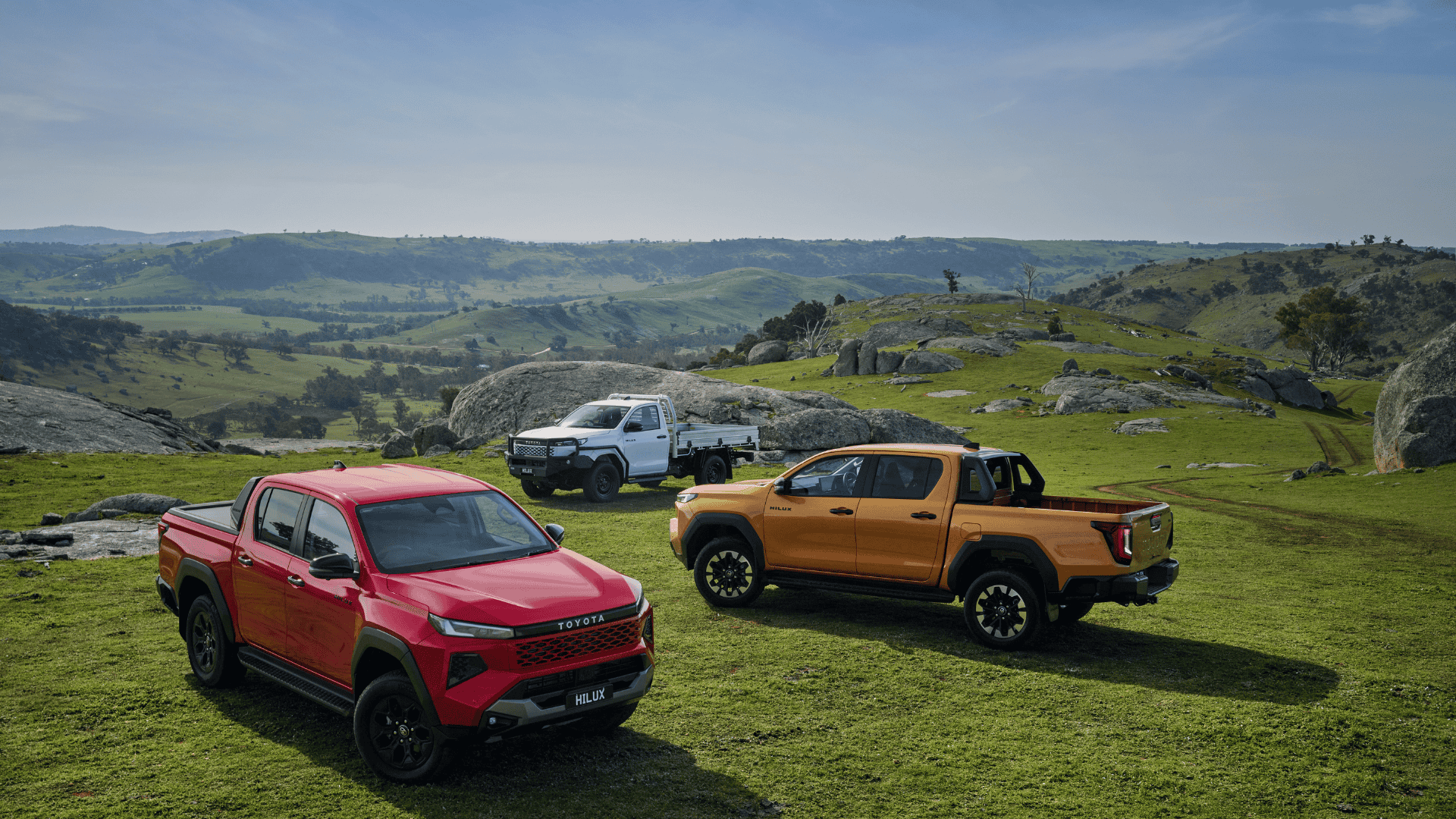
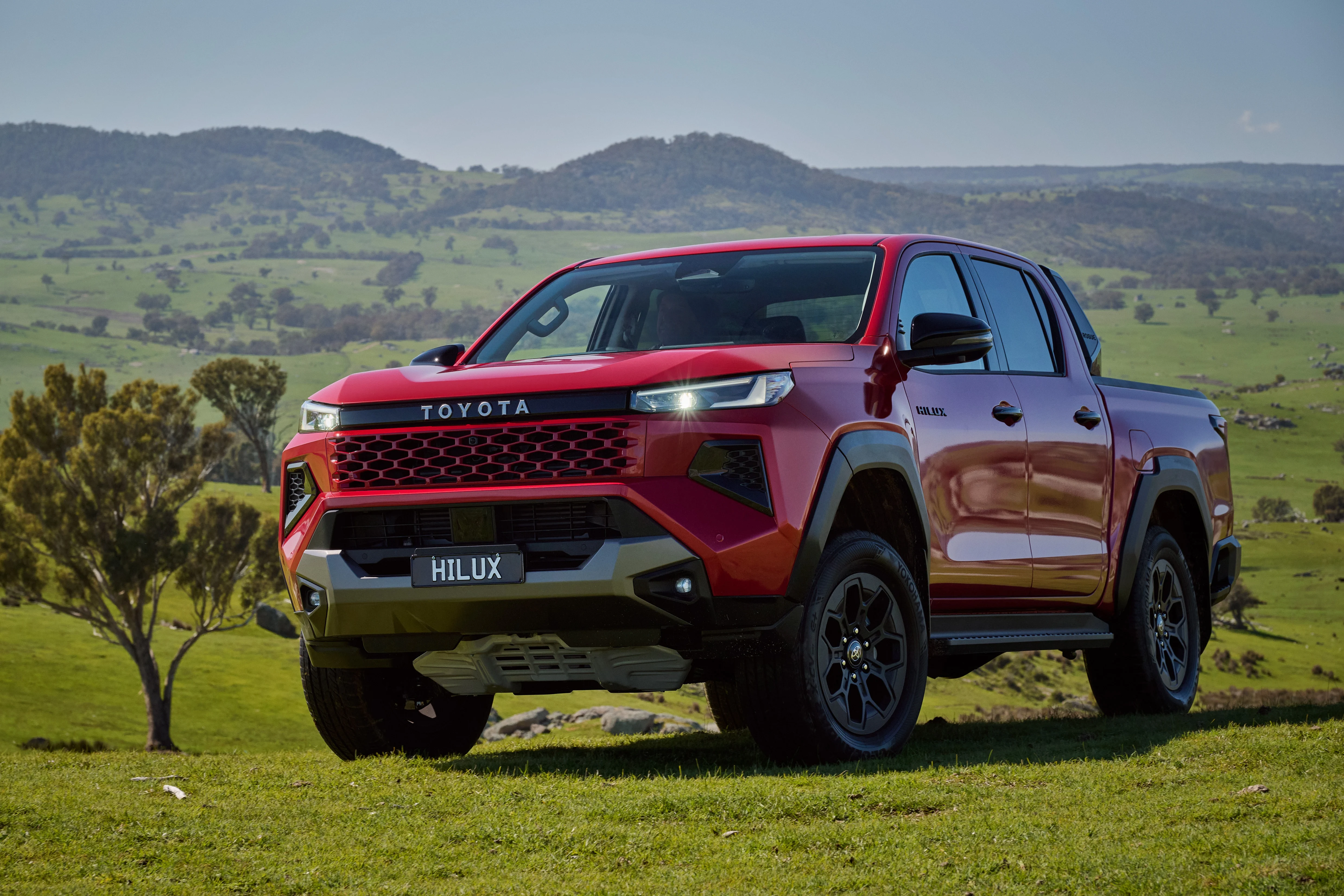
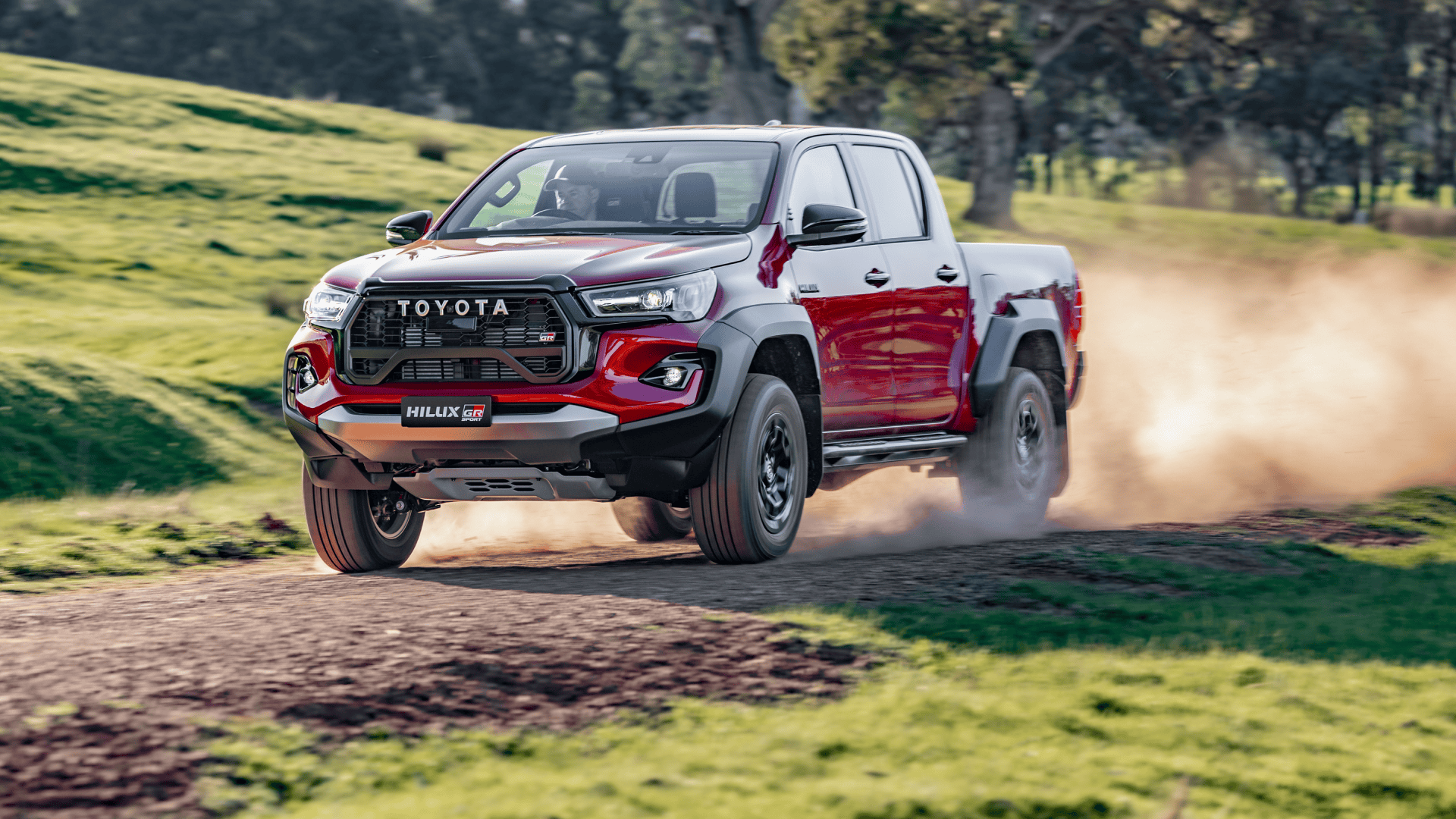
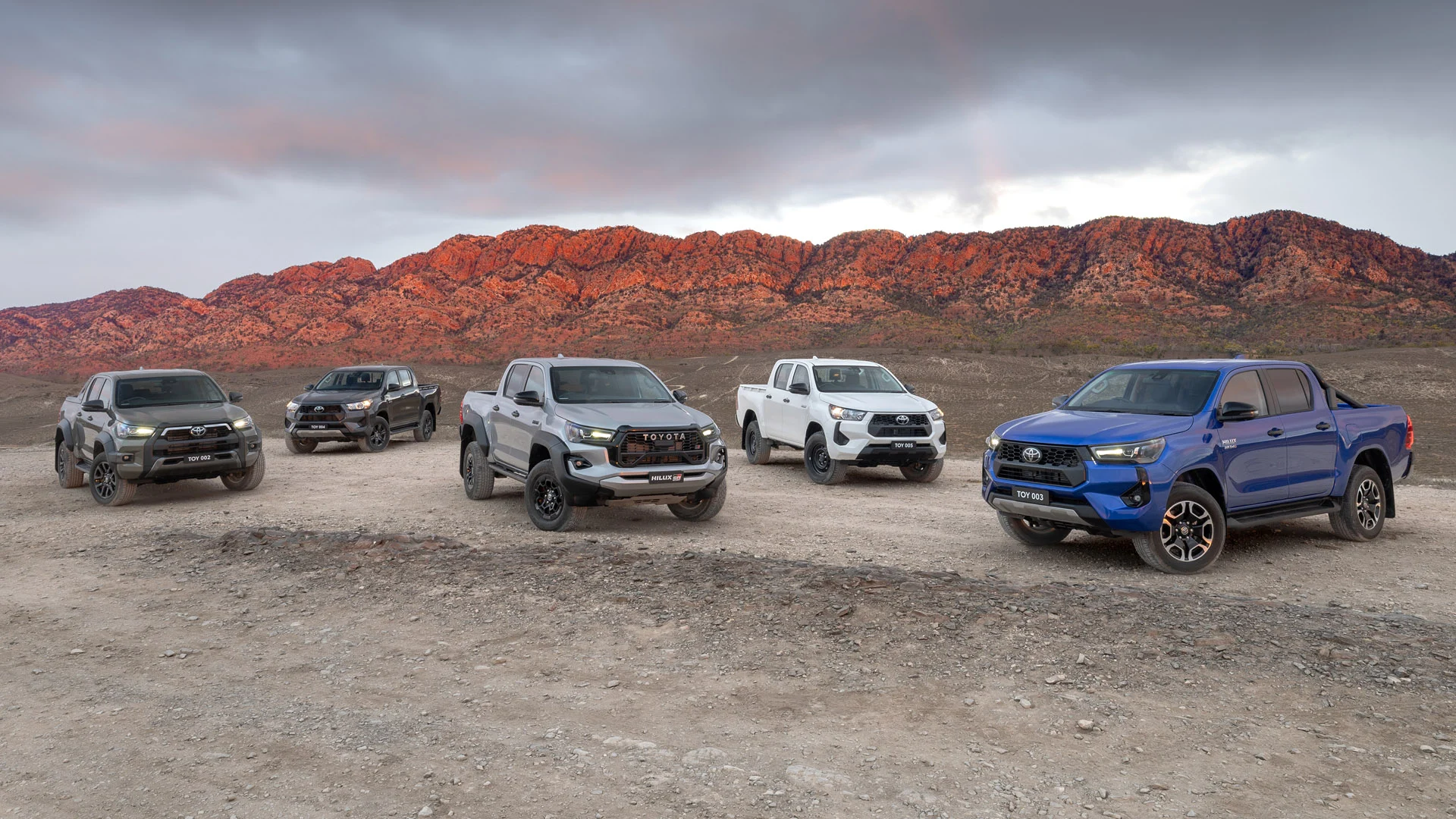
09/12/2025New Toyota Hilux Range Lands in Australia with Major Improve…Toyota has launched its new-generation HiLux range in Australia boasting improved driveabi…Read More
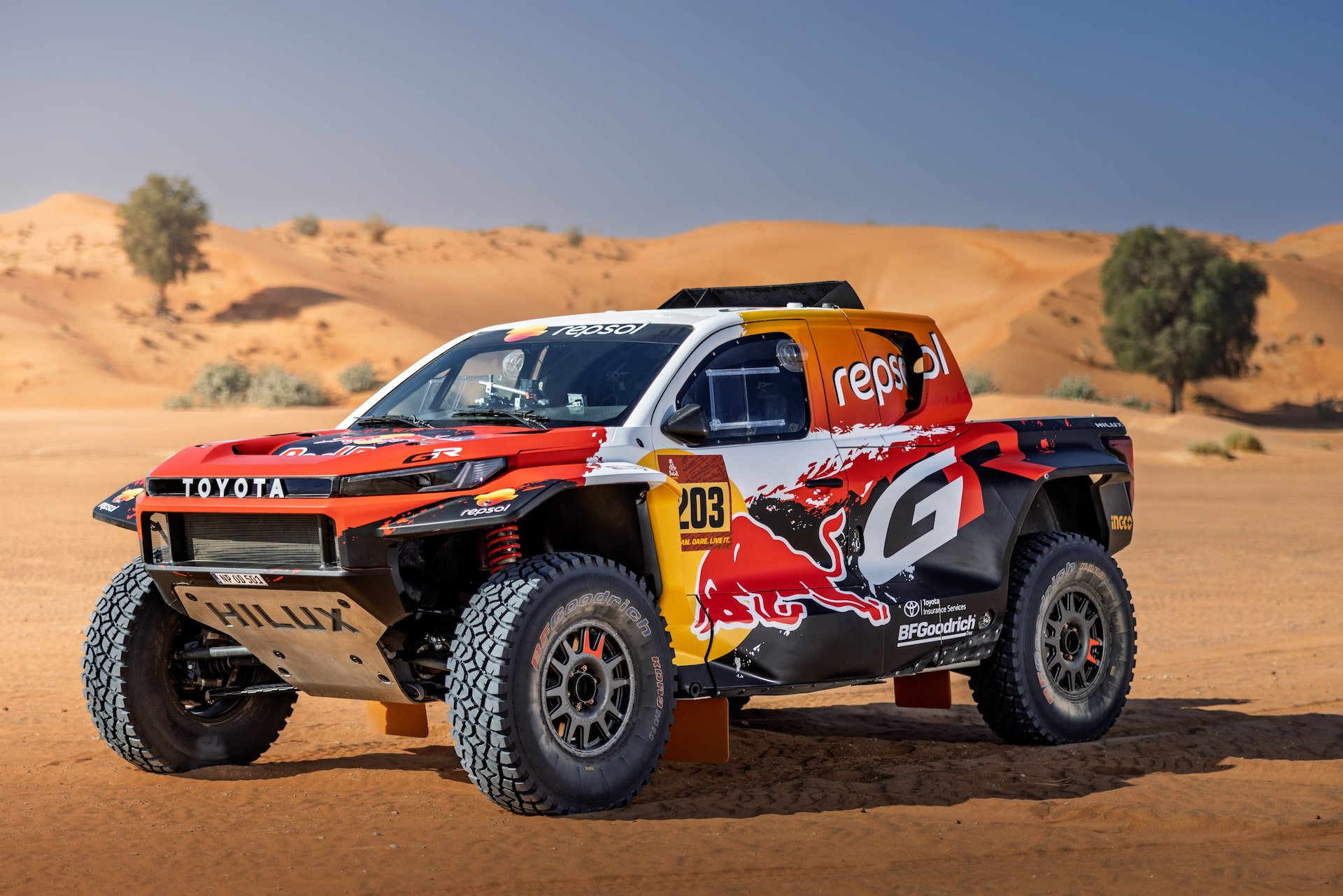
09/12/2025Toyota Gazoo Racing W2RC Takes on 2026 Dakar Rally with Upda…TOYOTA GAZOO Racing W2RC (TGR W2RC) will kick off its FIA World Rally-Raid Championship (W…Read More
25/11/2025Customer Experience Survey WinnersToyota is proud to announce the August 2025 winners of the Customer Experience Survey. Eac…Read More
14/11/2025Toyota Go $1,000 Toyota Gift Card Winner - November 2025This month we asked Toyota Go members to tell us what dream their Toyota helped them chase…Read More
12/11/2025New-generation Toyota HiLux range arrives in Australian show…Toyota’s new-generation HiLux range arrives in Australian showrooms in December with an ex…Read More
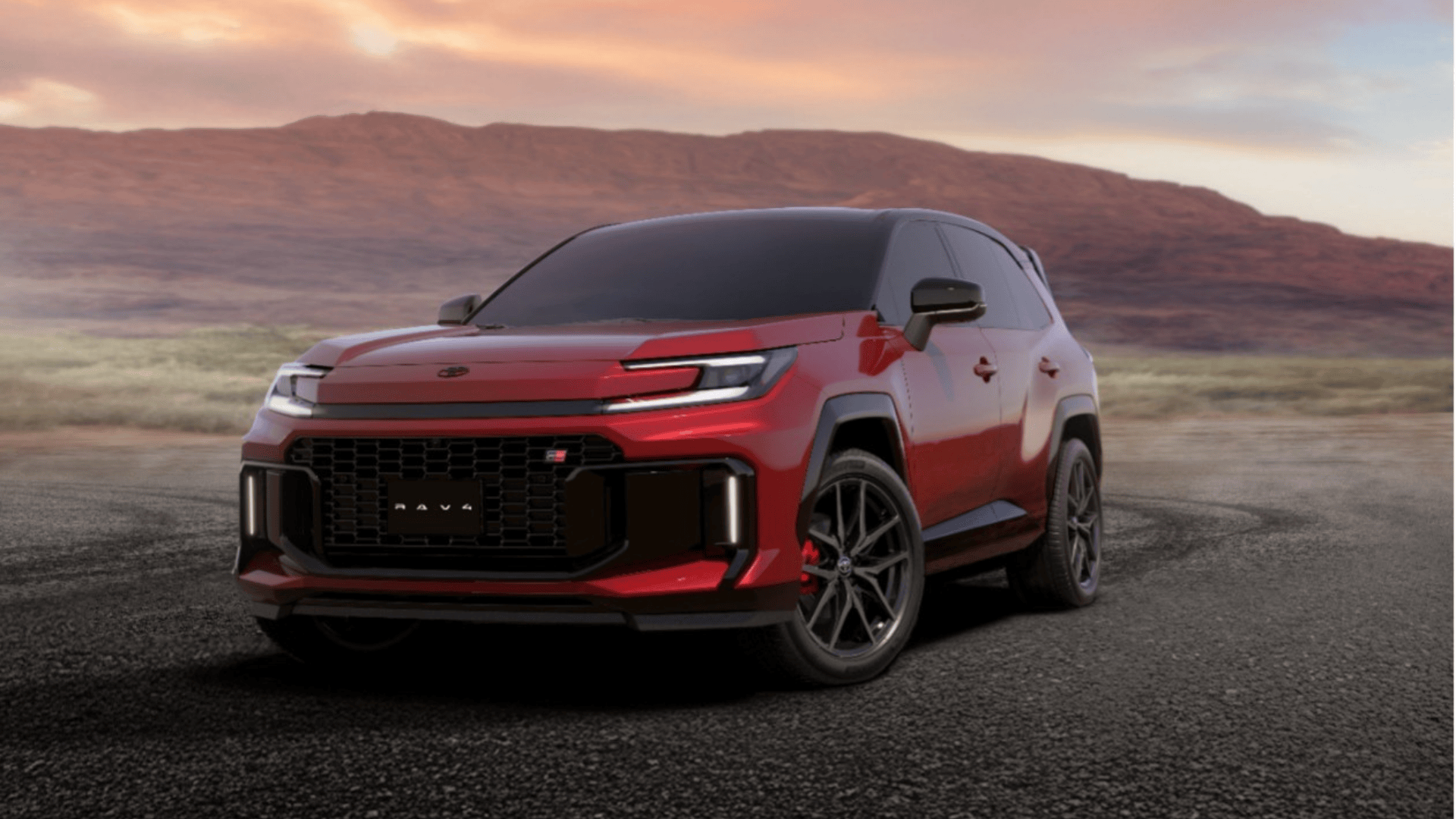
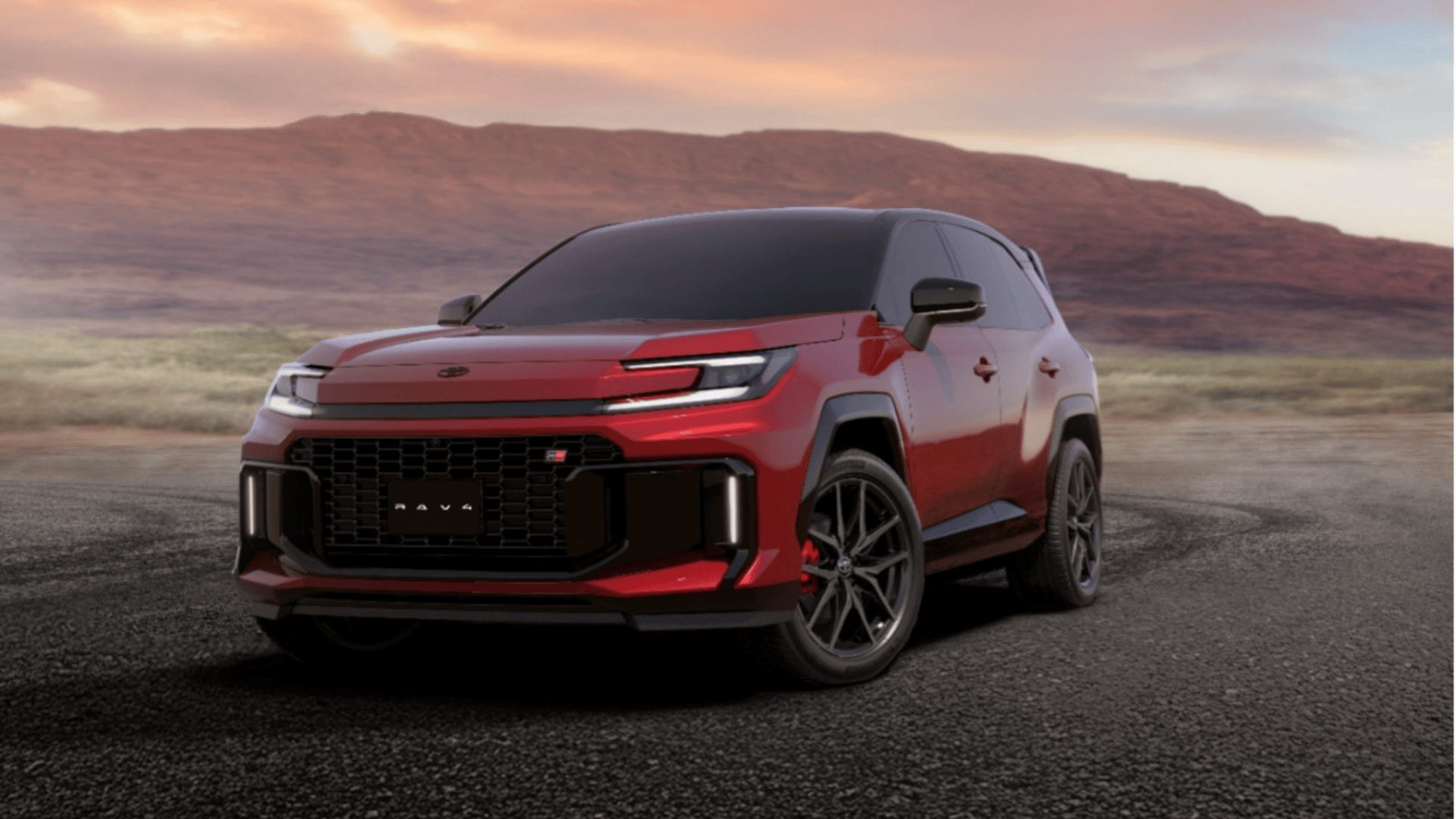
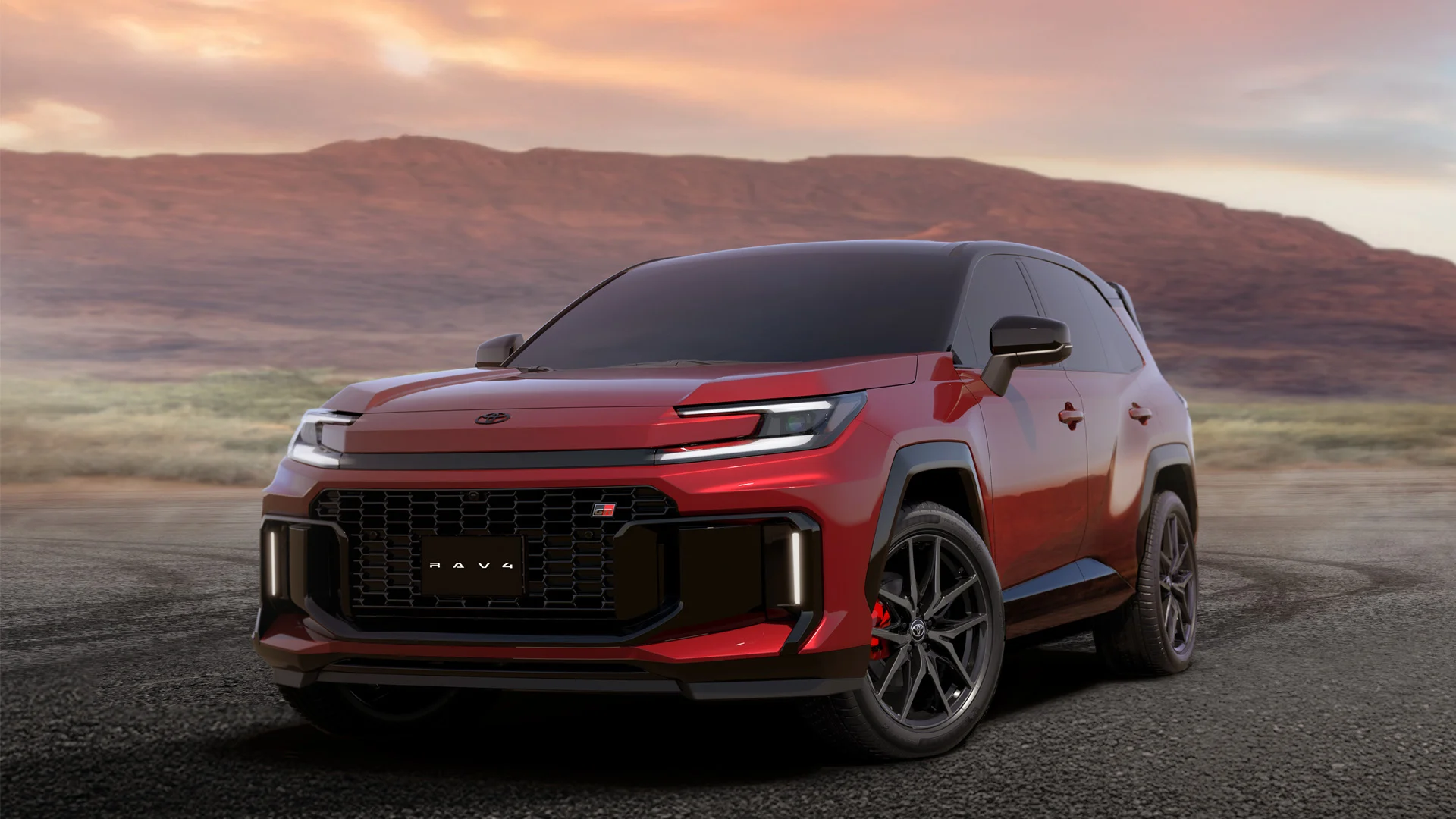
11/11/2025All-new Toyota RAV4 range arriving in Australian showrooms i…The sixth-generation RAV4 medium SUV is set to offer Toyota customers significantly improv…Read More
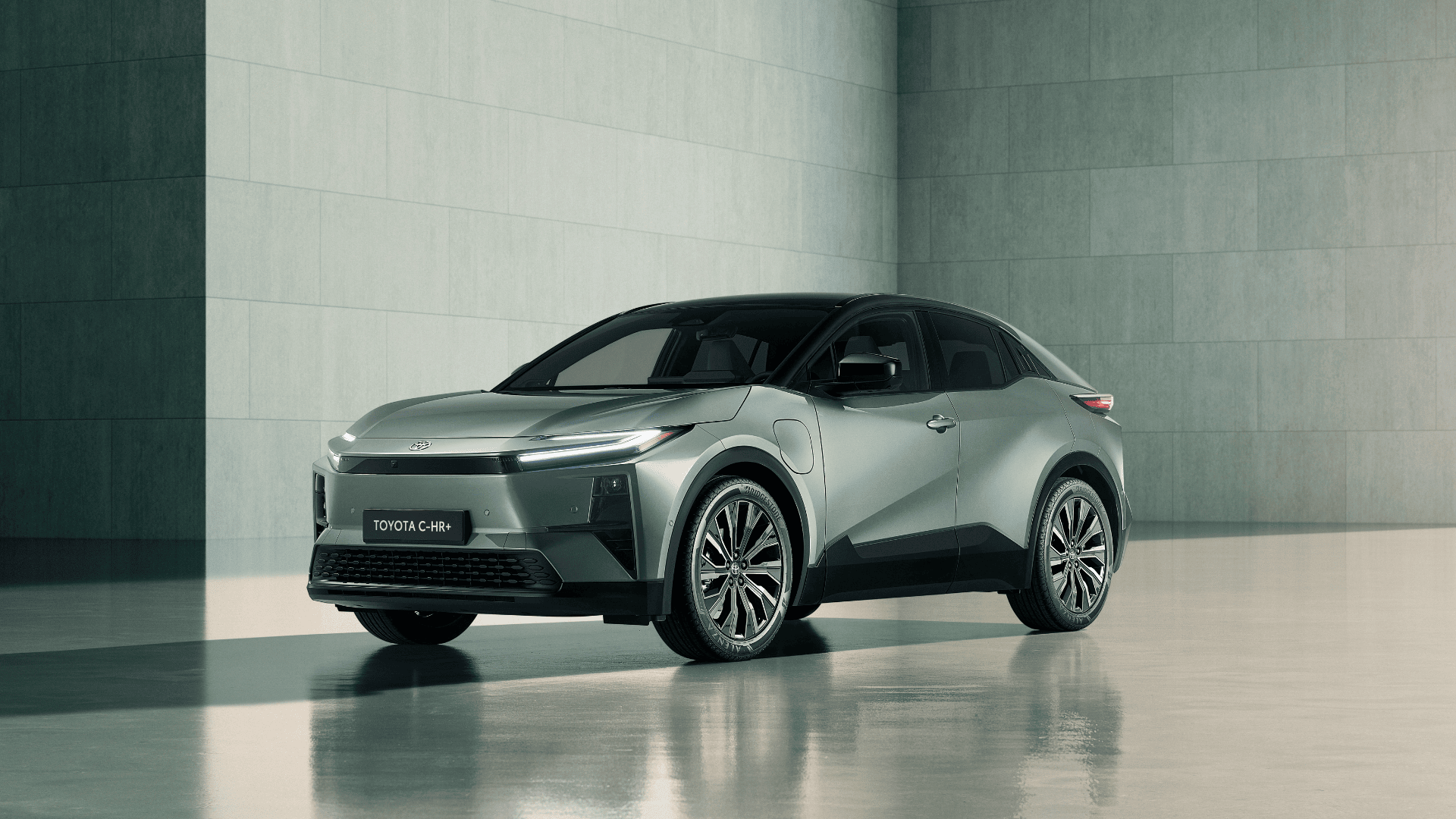
11/11/2025Toyota to expand multi-pathway offering in Australia with ar…Toyota will broaden its battery-electric vehicle (BEV) offering in Australia with the arri…Read More
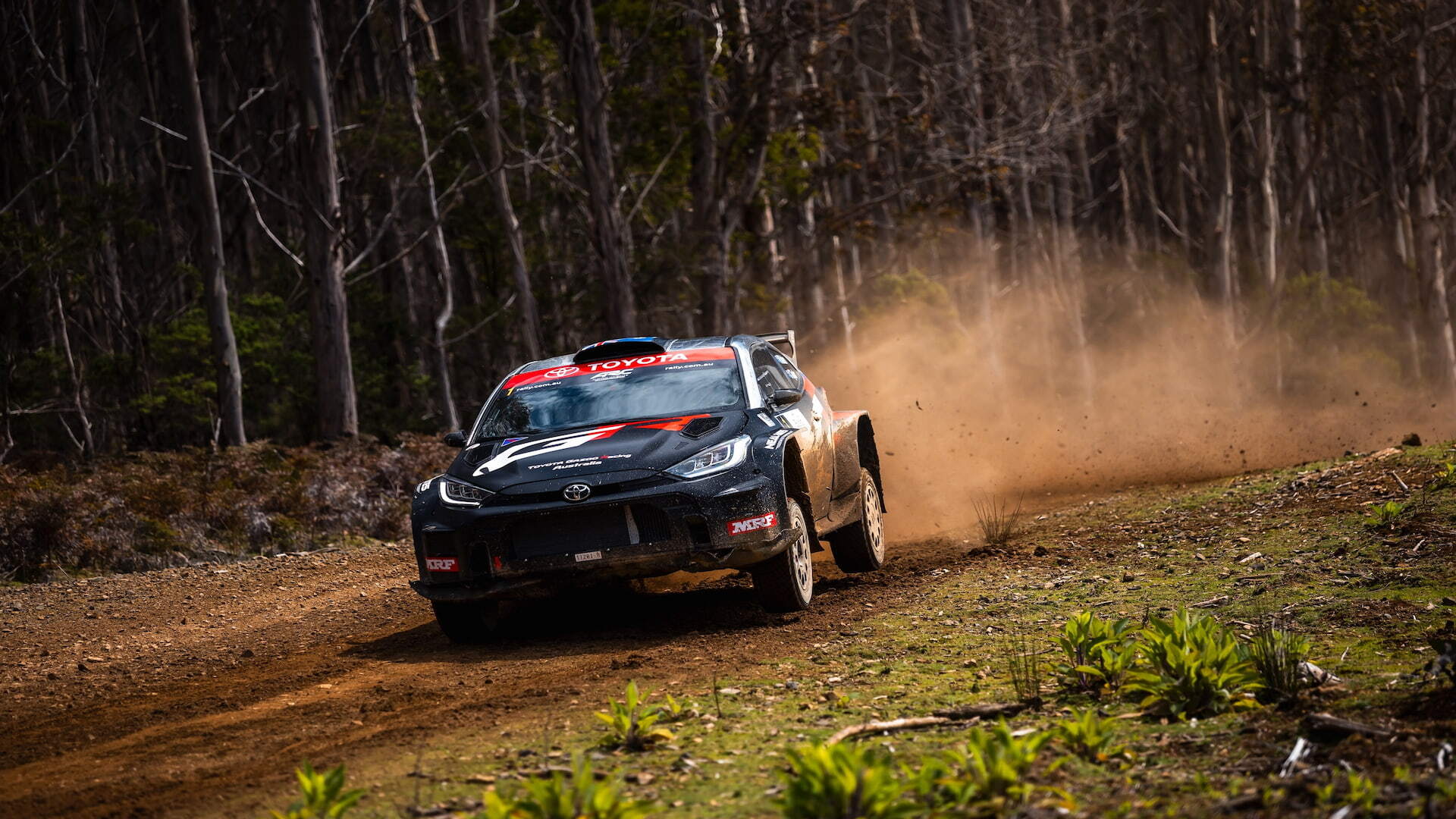
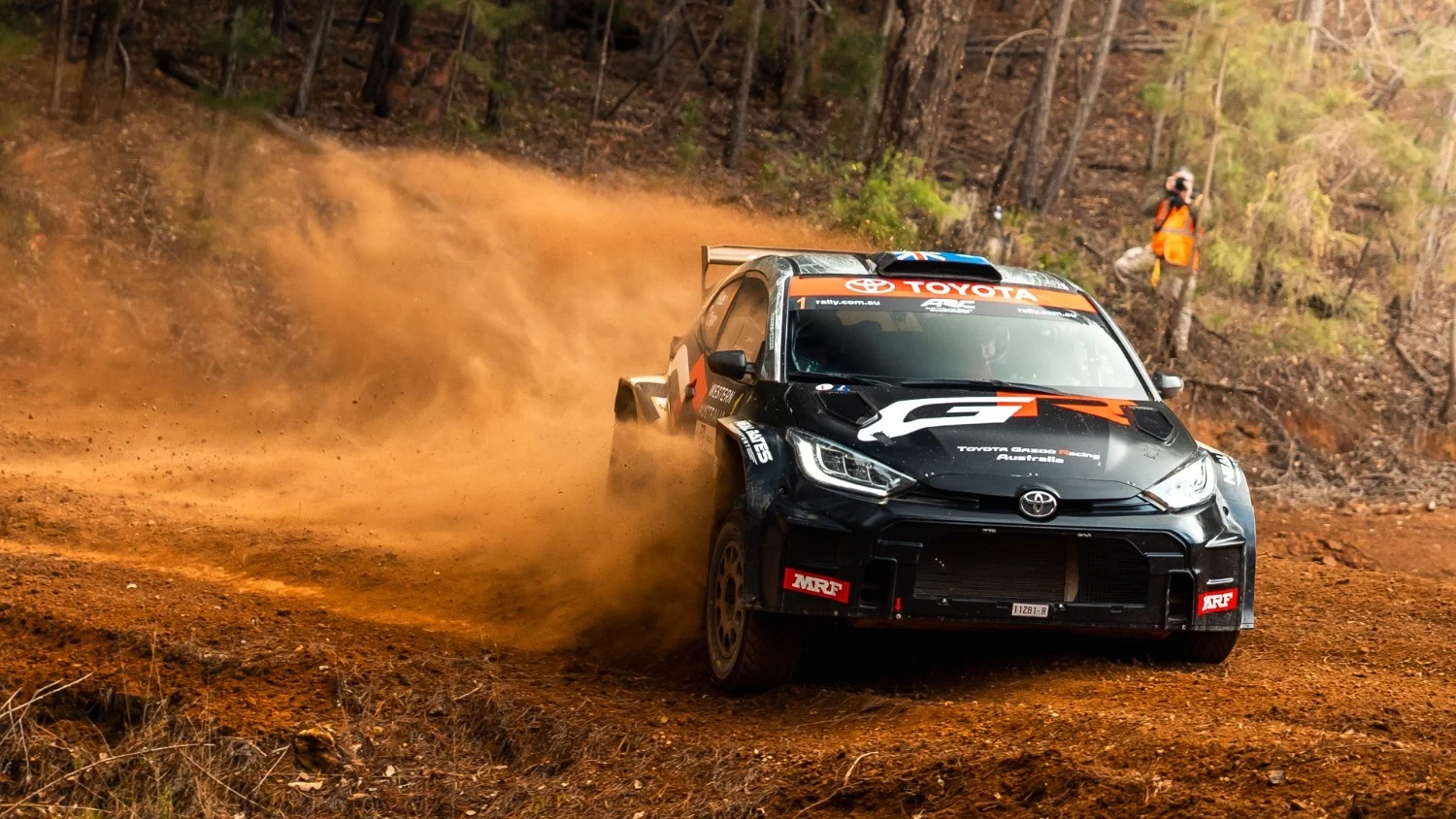
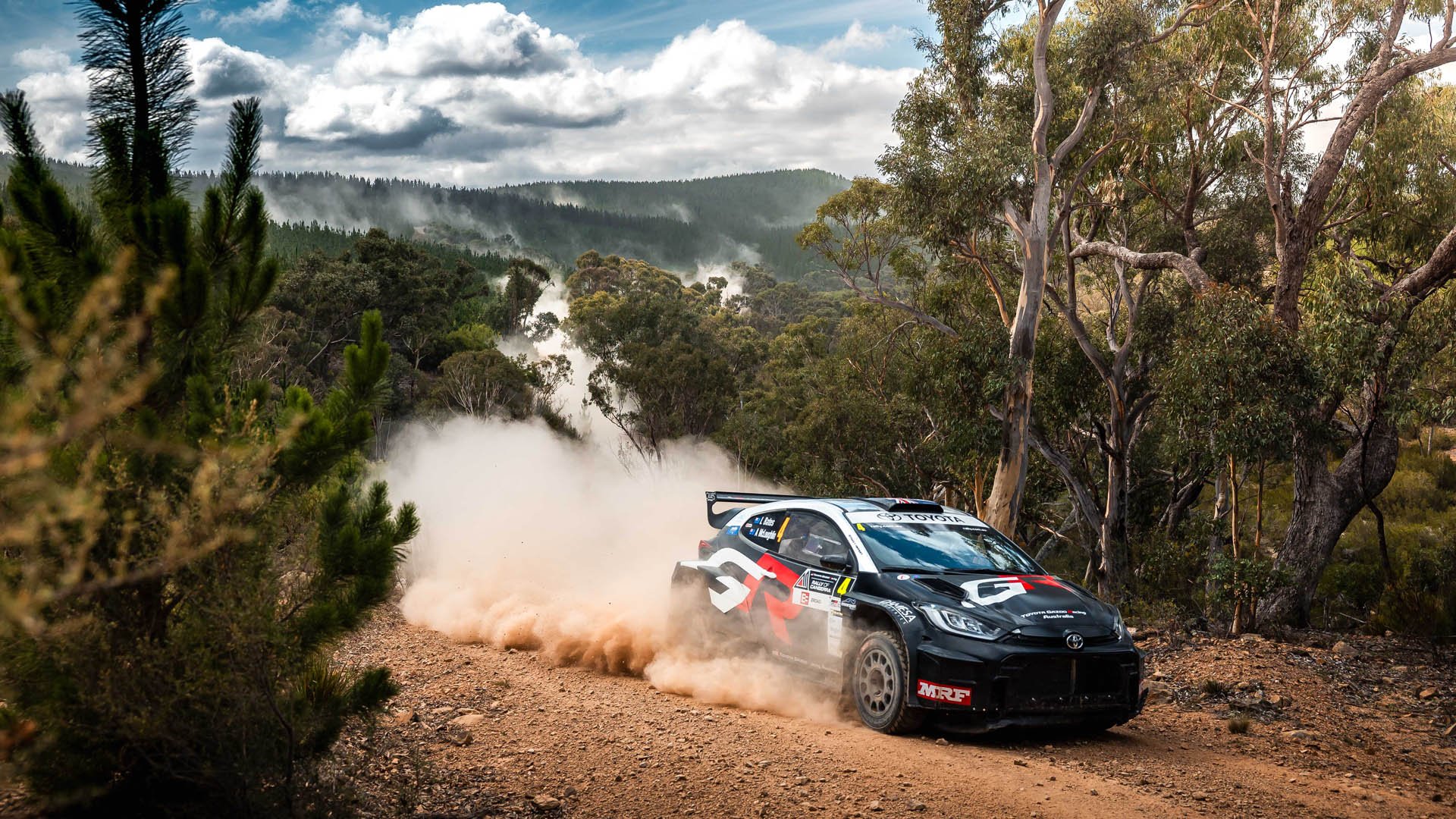
10/11/2025Toyota Gazoo Racing Australia caps off 2025 ARC season with …The TOYOTA GAZOO Racing Australia (TGRA) team has finished the 2025 Australian Rally Champ…Read More
10/11/2025TOYOTA UNVEILS NEW HILUX WITH BOLD DESIGN, INCREASED SAFETY …TOYOTA UNVEILS NEW HILUX WITH BOLD DESIGN, INCREASED SAFETY AND TECHNOLOGY, AND IMPROVED D…Read More
27/10/2025Toyota Go $1,000 Toyota Gift Card Winner - October 27, 2025This month we asked Toyota Go members to tell us what dream did their Toyota help you chas…Read More
24/10/2025You’re a winner! Winners announced to see Delta Goodrem live…Earlier this year, we asked Toyota Go members to tell us their favourite Delta song a…Read More
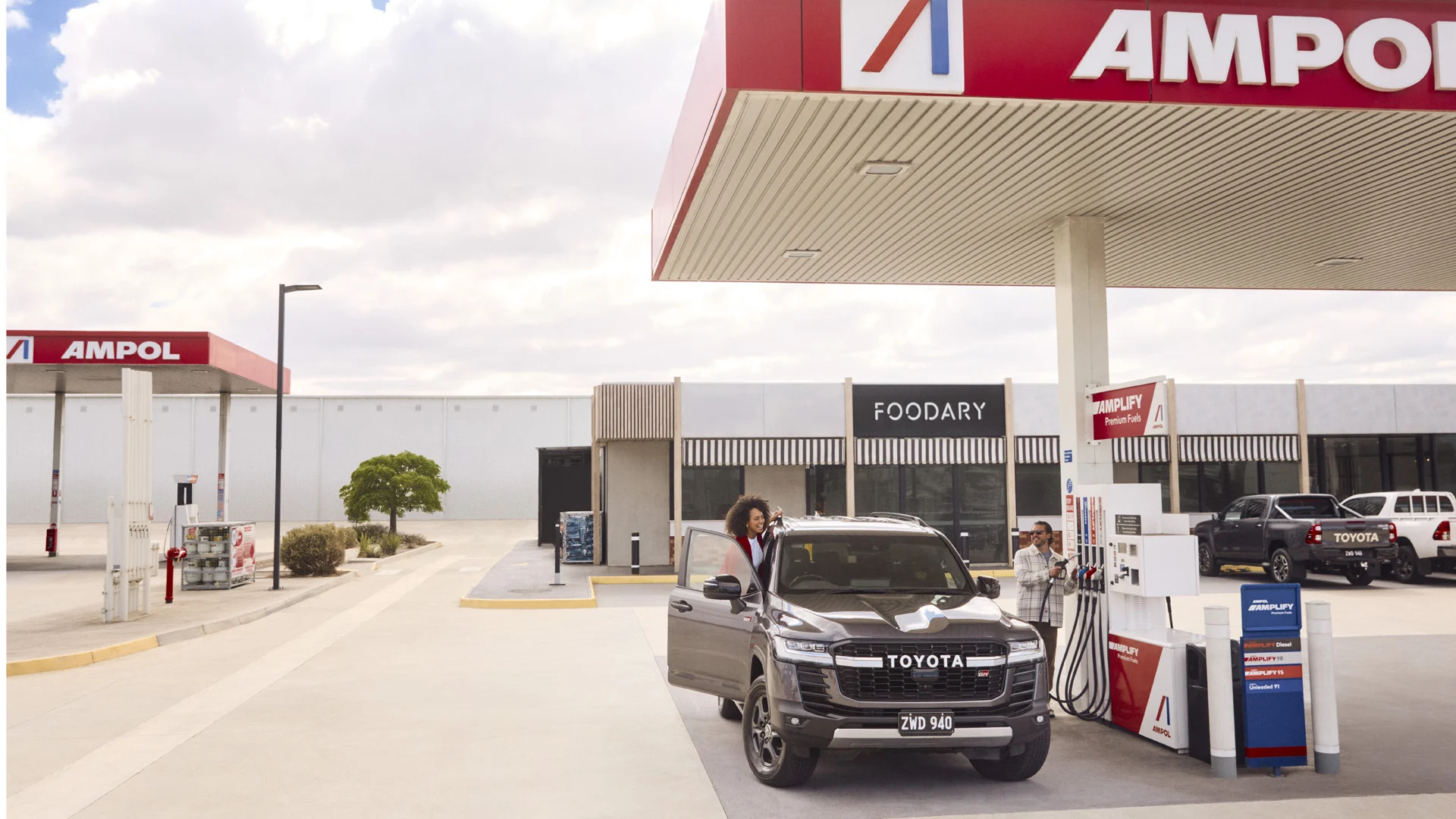
06/10/2025Ampol Foodary $100 Gift Card WinnersWe asked Toyota Go members to tell us what their ultimate road trip looks like?Read More
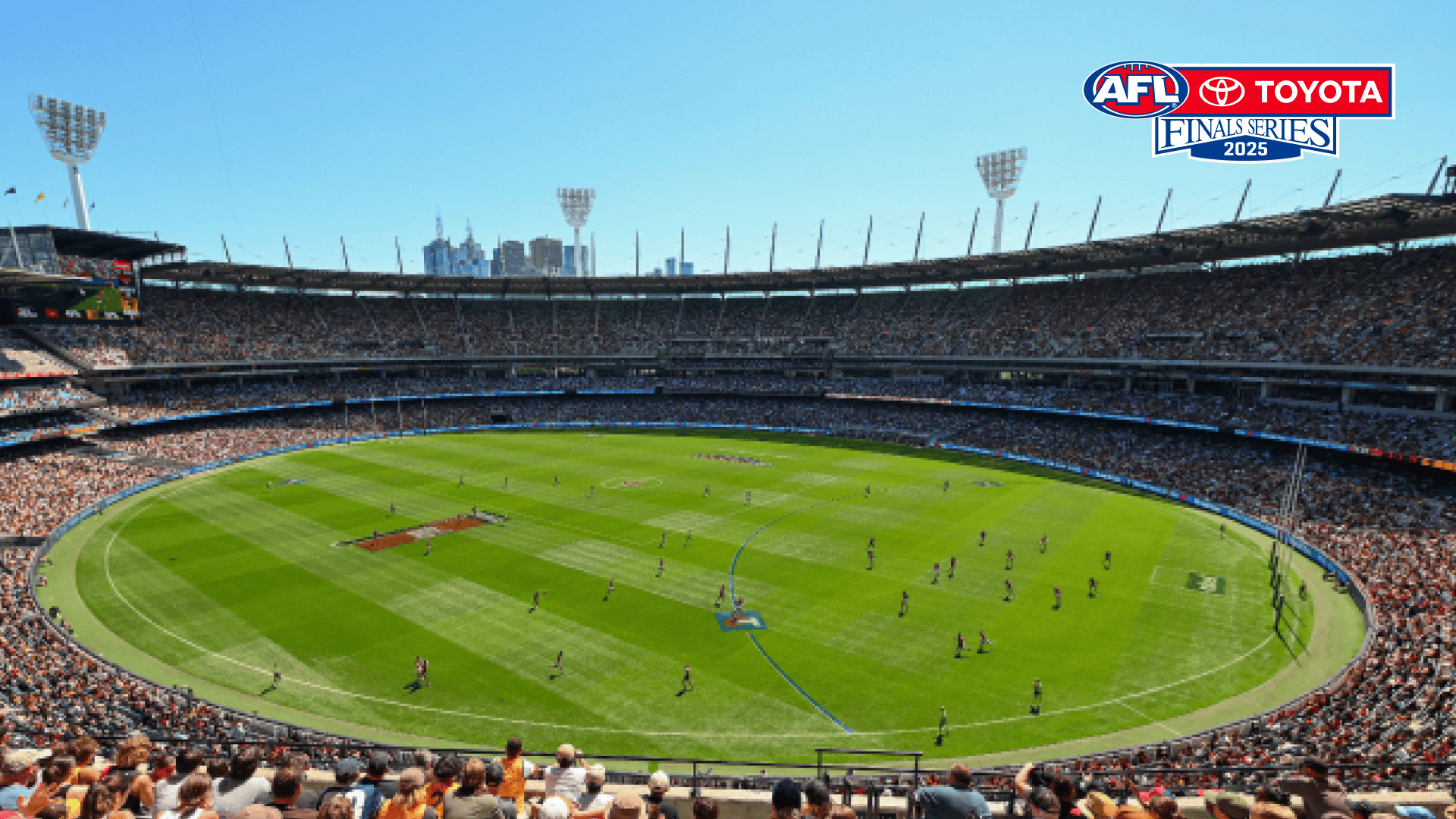
12/09/2025AFL Preliminary Finals WinnersLast week we asked Toyota Go members to describe their favourite AFL legendary moment and …Read More
05/09/2025A prize you’ll Adore! Winners announced to see Amy Shark liv…Last month we asked Toyota Go members to tell us what’s their ultimate road trip anth…Read More
03/09/2025All-New Toyota RAV4 to Offer Increased Grade and Hybrid Powe…The all-new RAV4 GR Sport will be available exclusively with a powerful all-wheel-drive PH…Read More
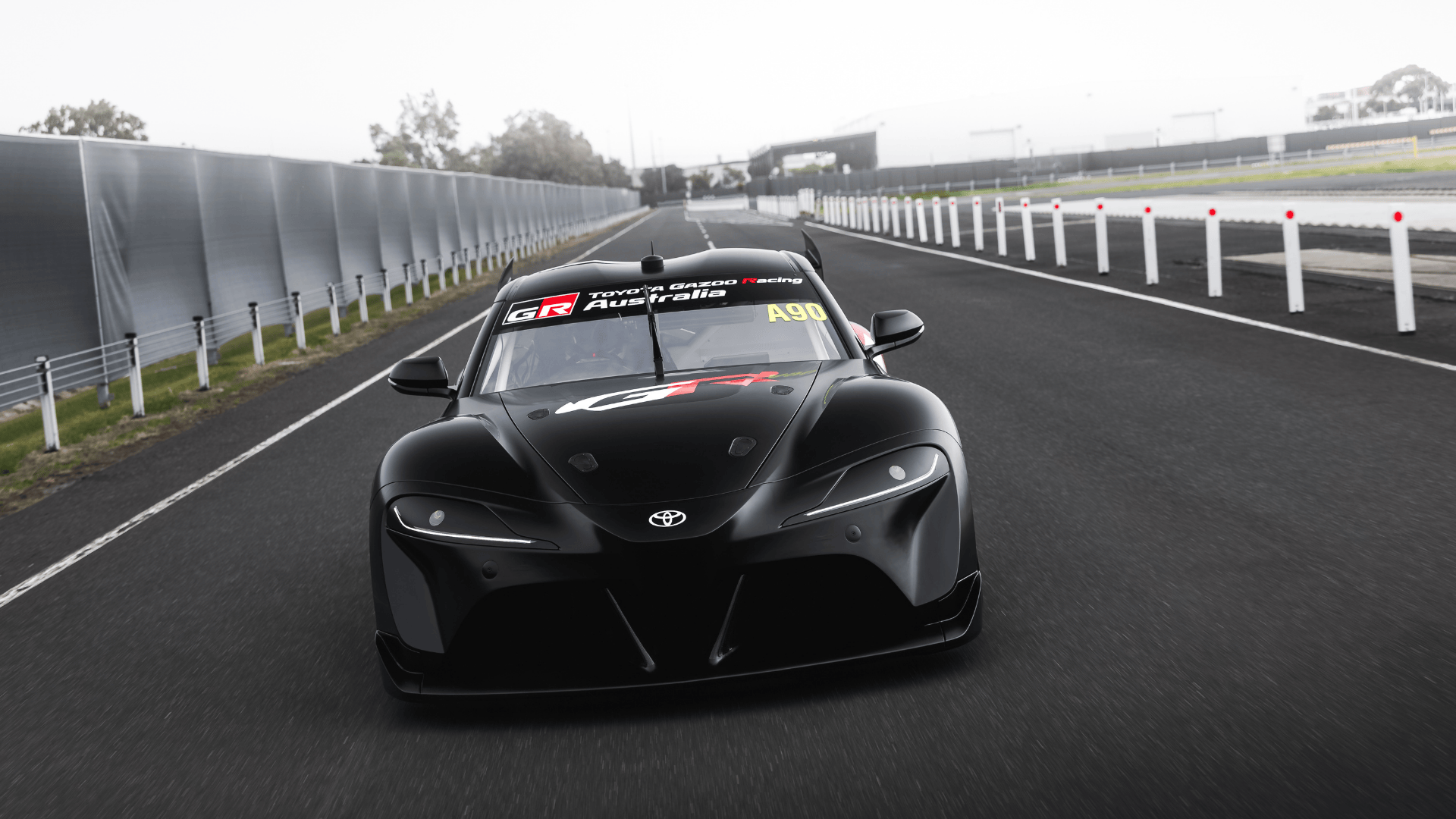
02/09/2025Toyota unveils GR Supra Supercar ahead of 2026 Supercars Cha…Toyota Australia has officially revealed its first GR Supra Supercar ahead of the brand’s …Read More
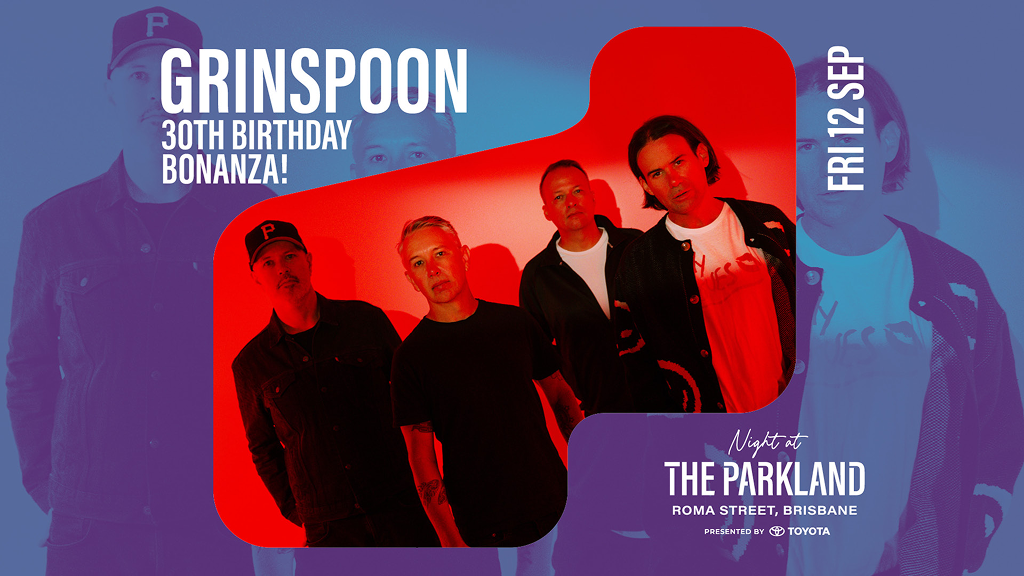
29/08/2025You’re a Champion! Winners announced to see Grinspoon live a…Earlier this month, we asked Toyota Go members to tell us their ultimate rock anthem …Read More
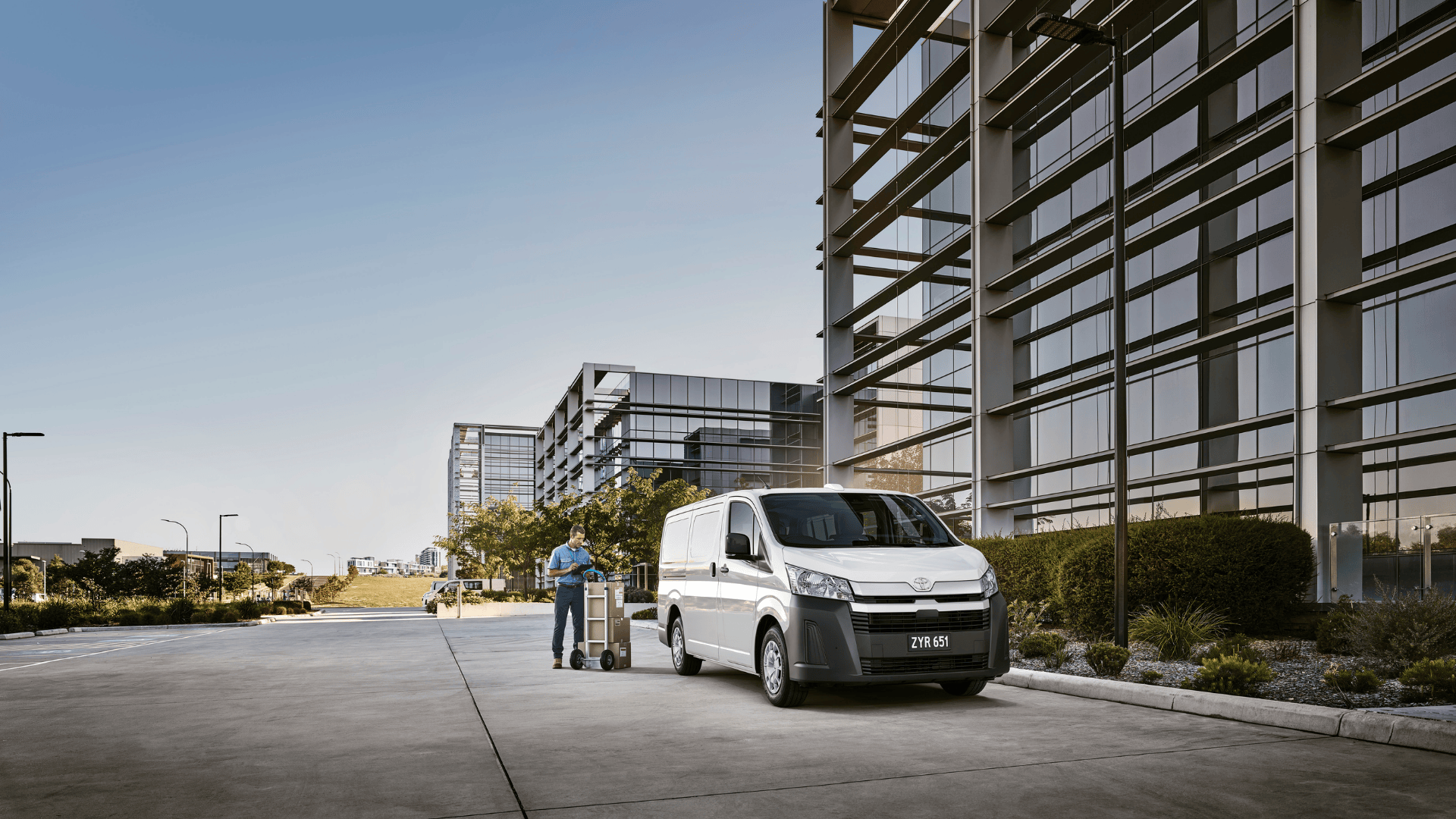
28/08/2025Toyota HiAce Updated with Improved Safety and TechnologyToyota has updated its HiAce commercial van with valuable enhancements to active safety an…Read More
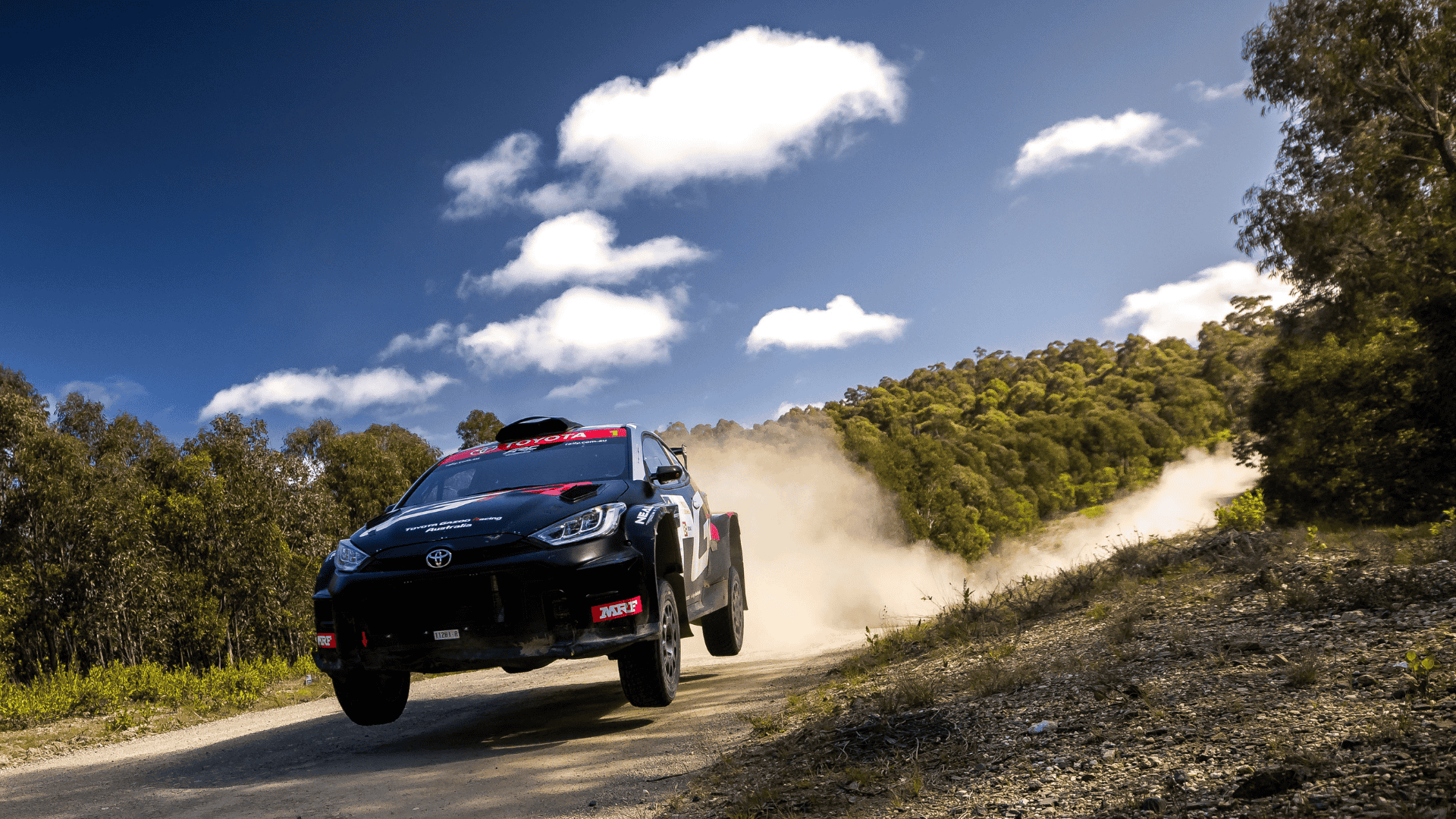
28/08/2025Double Podium for Toyota GAZOO Racing Australia at Arc Gipps…An exciting weekend of rallying at the Australian Rally Championship (ARC) Middle of Every…Read More
26/08/2025Customer Experience Monthly Survey Prize Draw WinnersToyota is proud to announce the June 2025 winners of the Customer Experience Survey.Read More
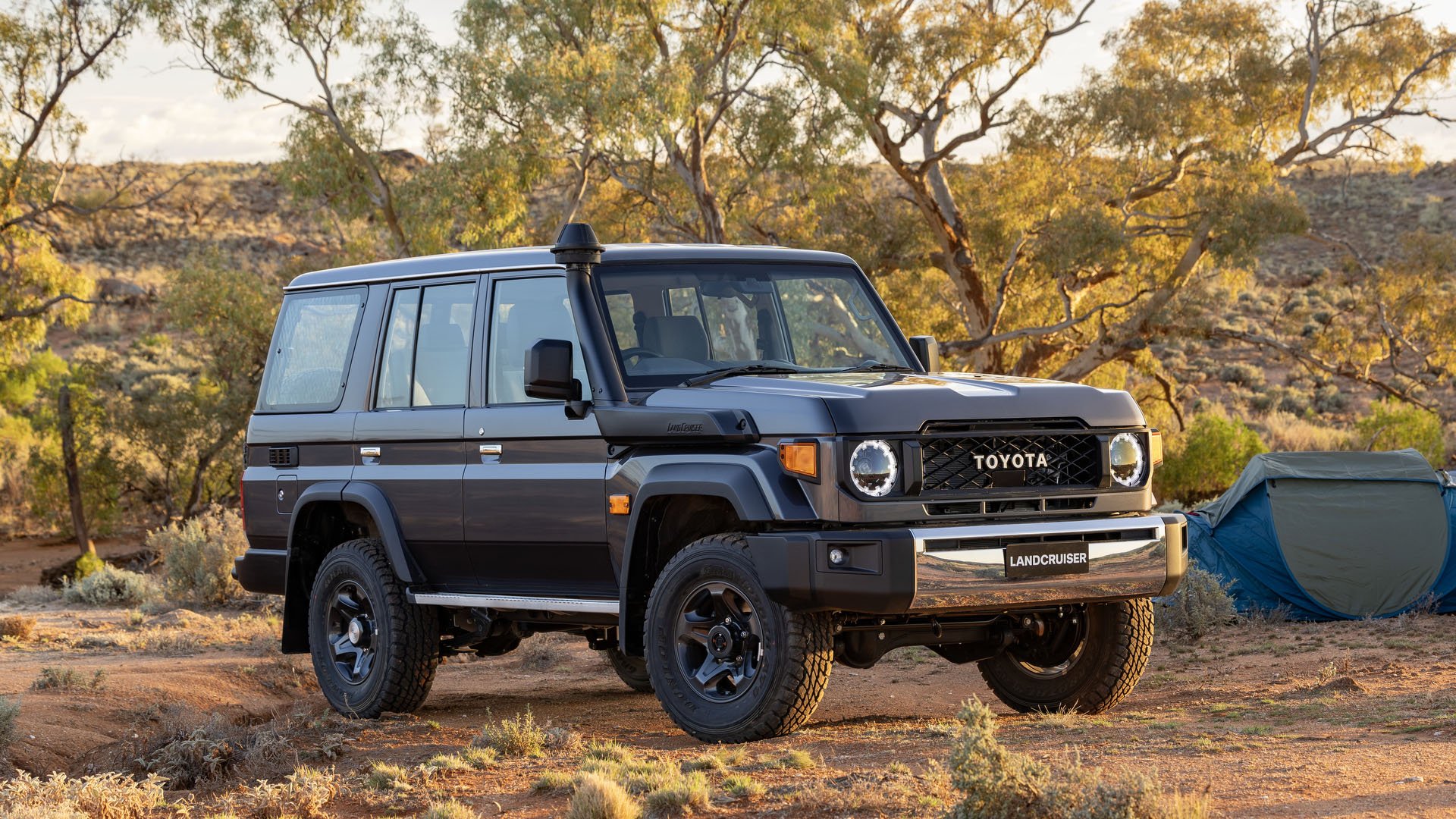
18/07/2025Strong Customer Demand Prompts Order Pause On Landcruiser 70…Strong customer demand and relatively low production levels have prompted Toyota Australia…Read More
07/07/2025Toyota Delivers More Than 120,000 Vehicles for First Half of…Toyota Australia has recorded yet another strong month of sales in June with 20,225 sales.Read More
07/07/2025Heath Shaw’s Smother Takes Centre Stage as Toyota Australia’…Toyota Australia has announced the return of their much-loved Legendary Moments campaign d…Read More
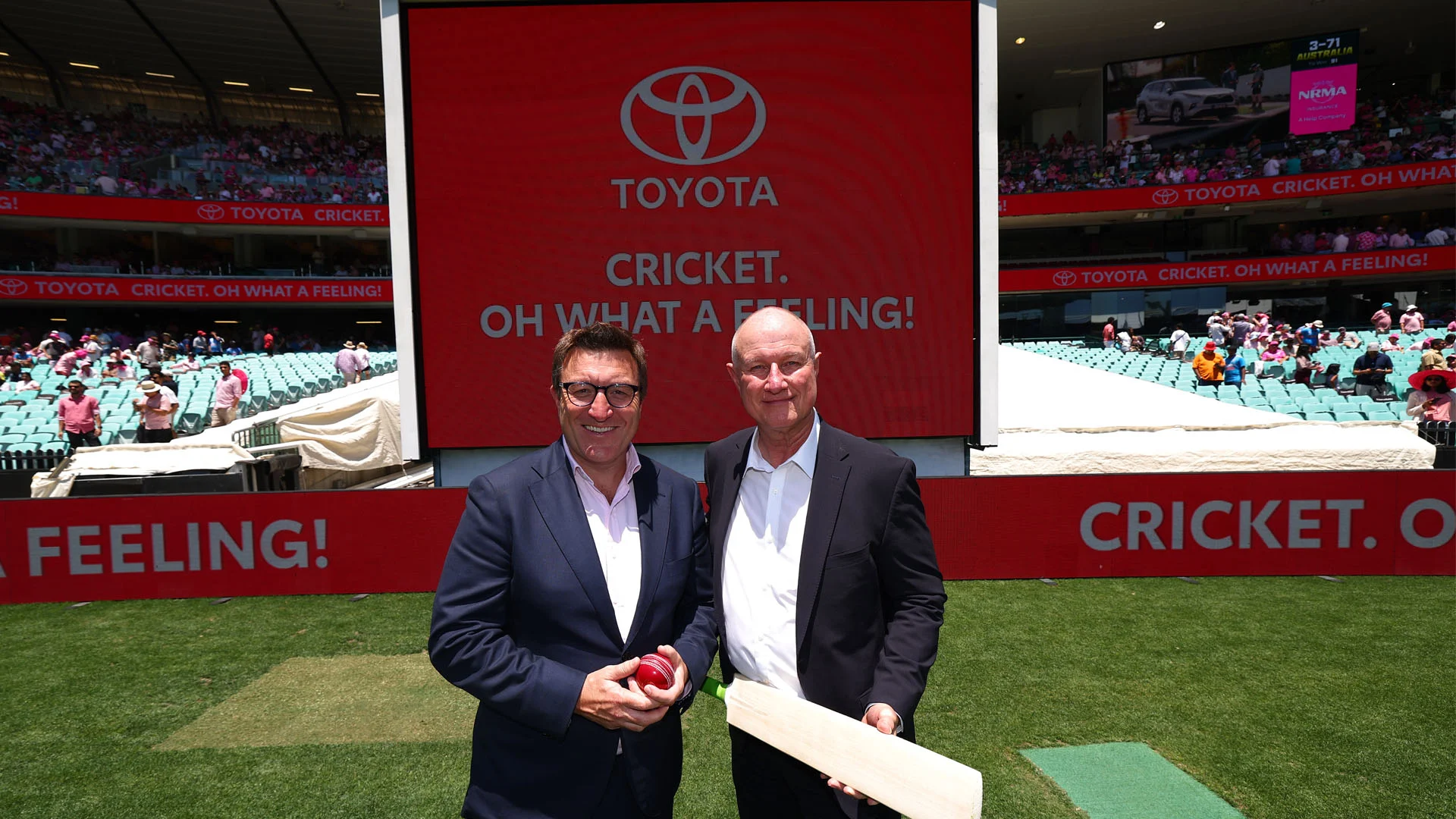
07/07/2025Toyota Australia to Continue Driving Crickets Growth with Fo…Toyota Australia and Cricket Australia have today announced a four-year partnership extens…Read More
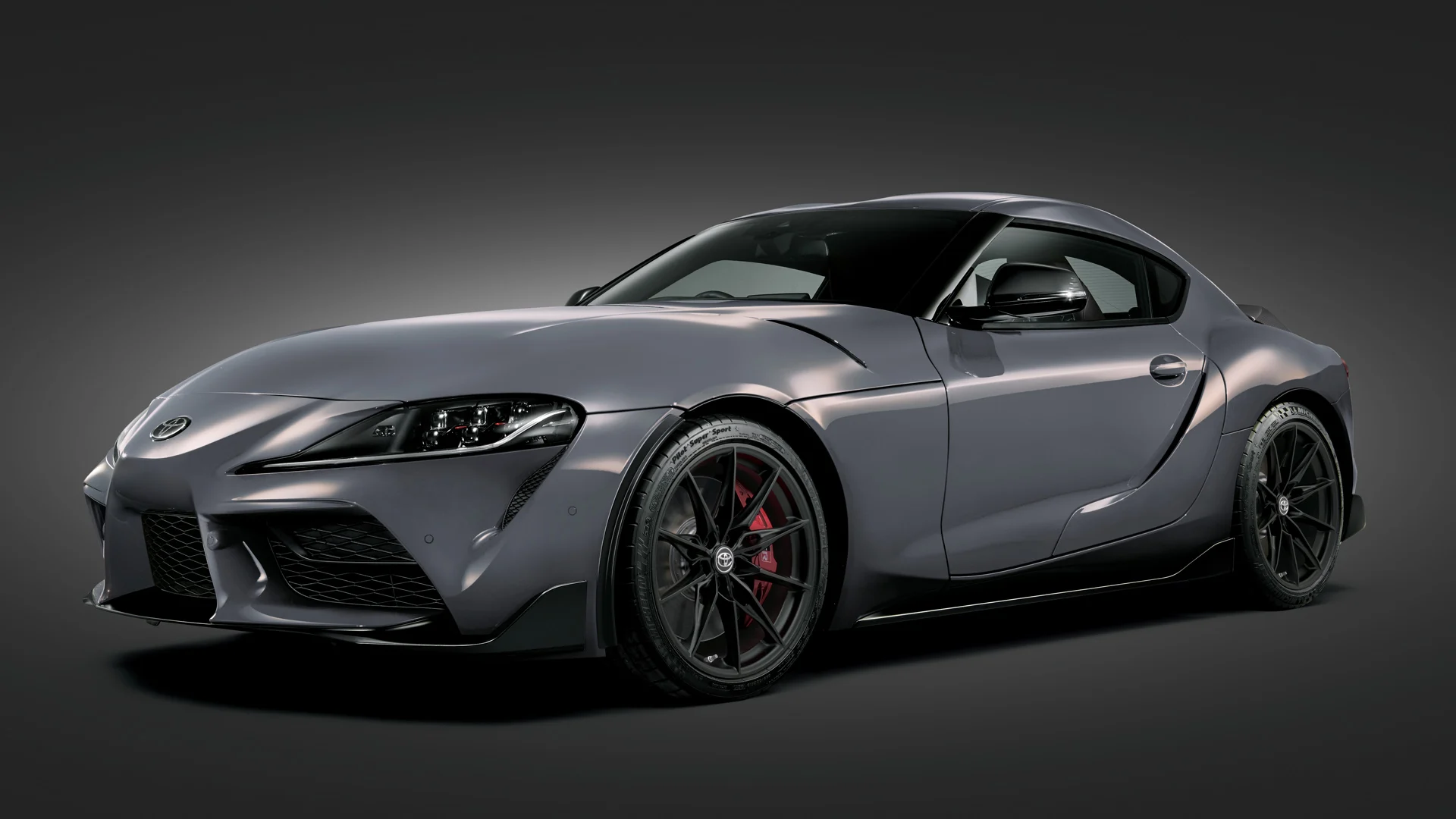
01/07/2025Toyota GR Supra Track Edition Arrives In Local Showrooms Fro…Toyota Australia’s most focused and dynamic GR Supra to date, the flagship Track Edition, …Read More
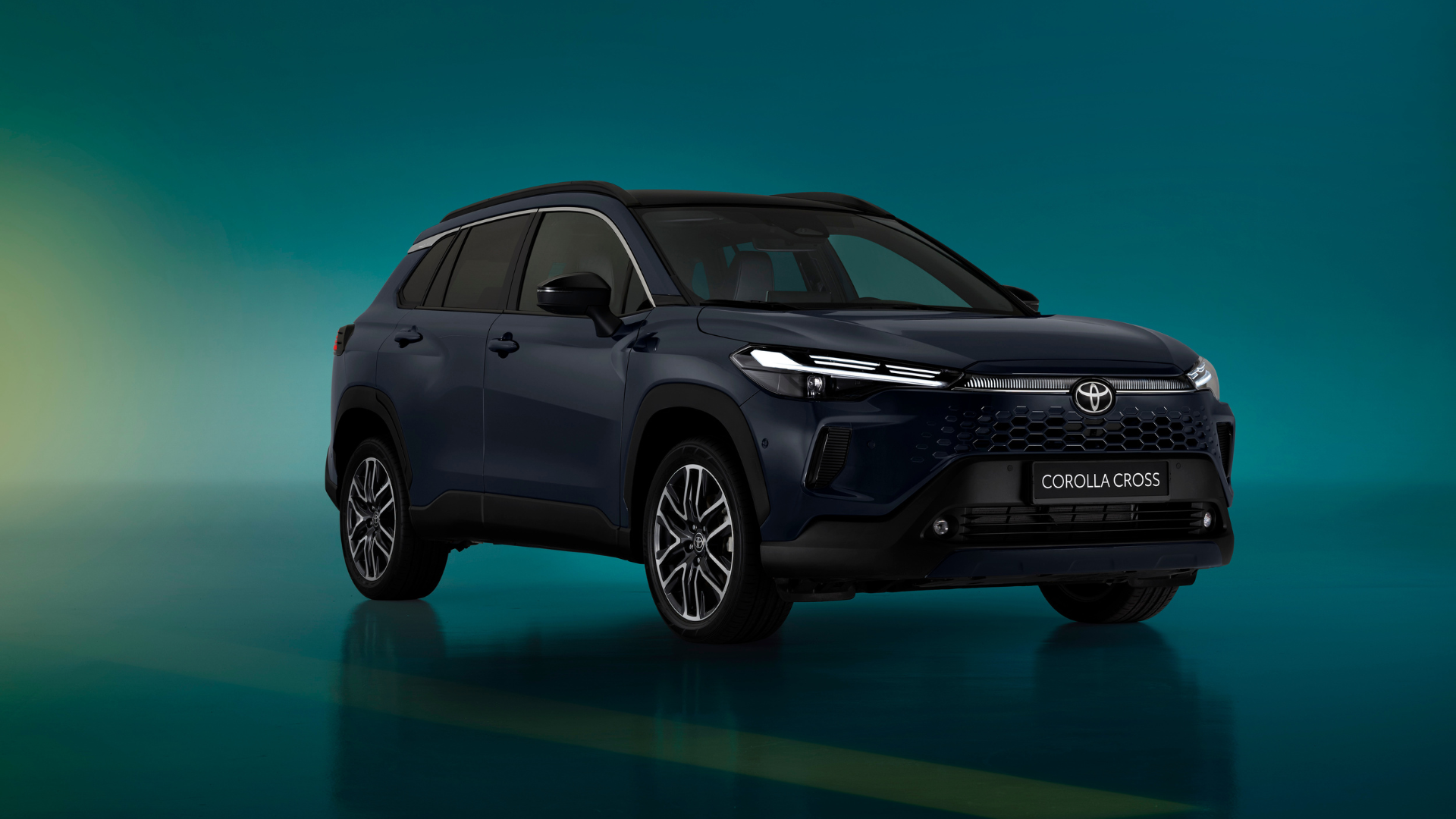
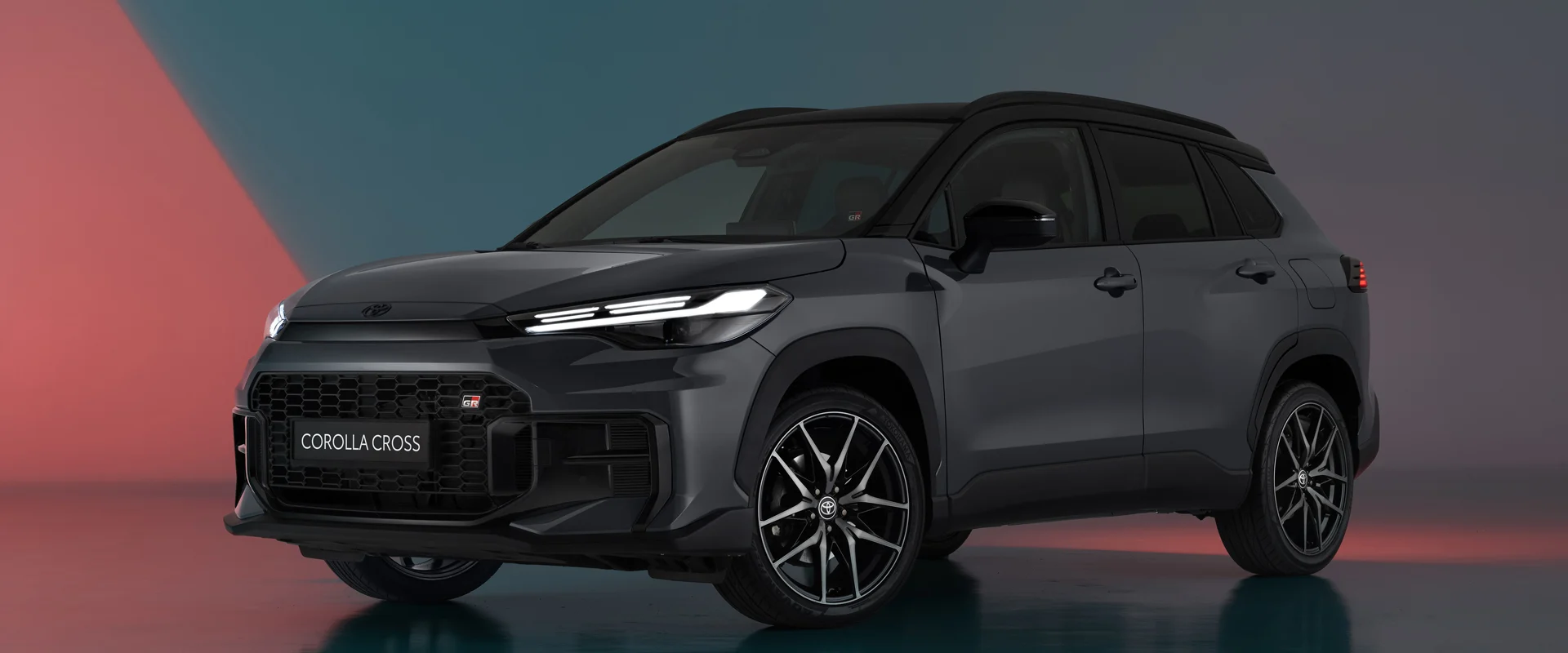
30/06/2025Toyota Confirms Pricing for Upgraded Corolla Cross Ahead of …Upgraded Corolla Cross to be priced from $37,440 for GX 2WD. Redesigned exterior, new colo…Read More
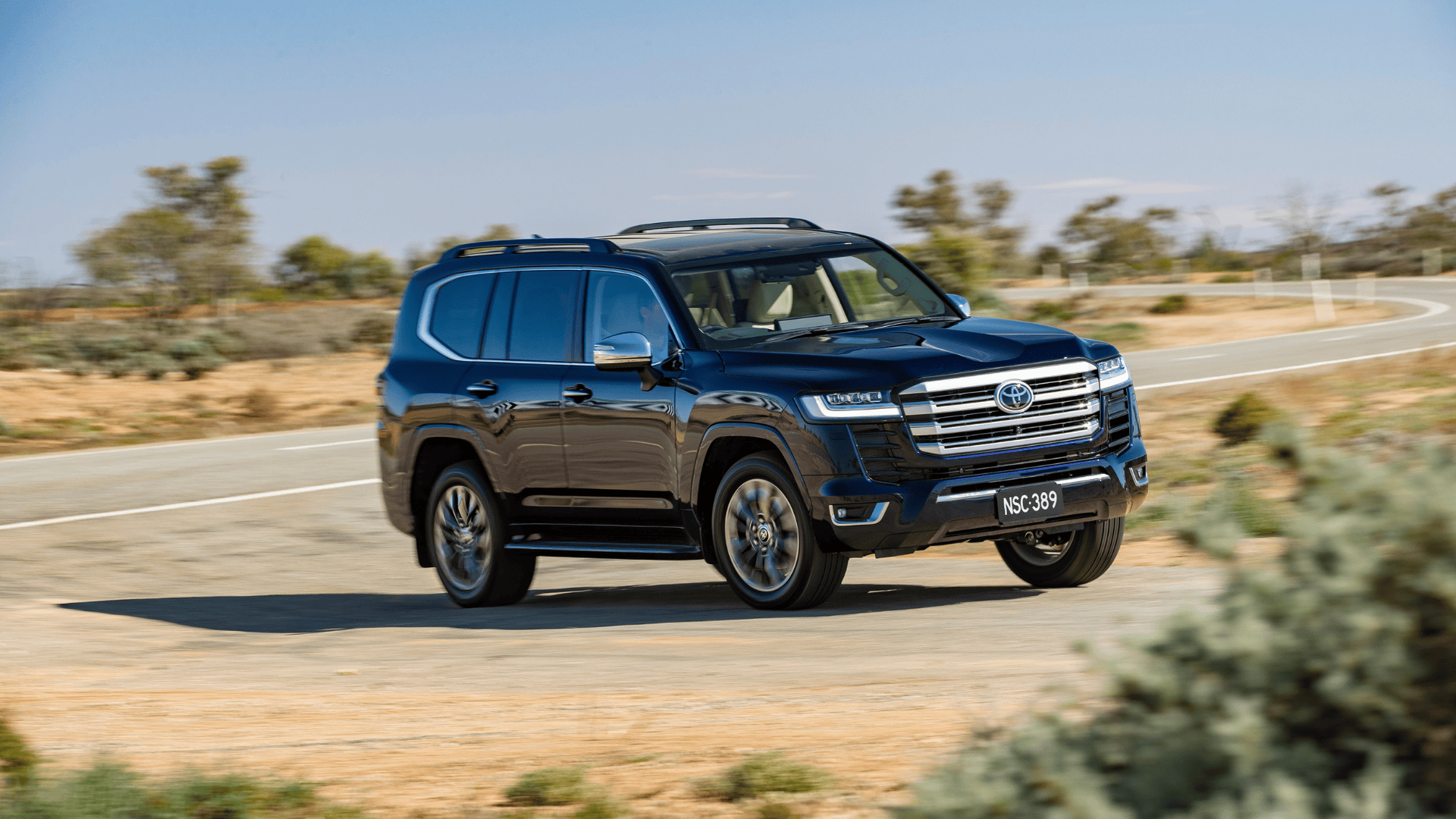
13/06/2025First-ever Performance Hybrid Toyota LandCruiser Makes Globa…The legendary Toyota LandCruiser has entered a new era with the reveal of its first ever p…Read More
10/06/2025Toyota Australia Records Best-Ever May Sales Result as 2024 …Toyota Australia has continued its strong first half of 2025 with its best-ever sales resu…Read More
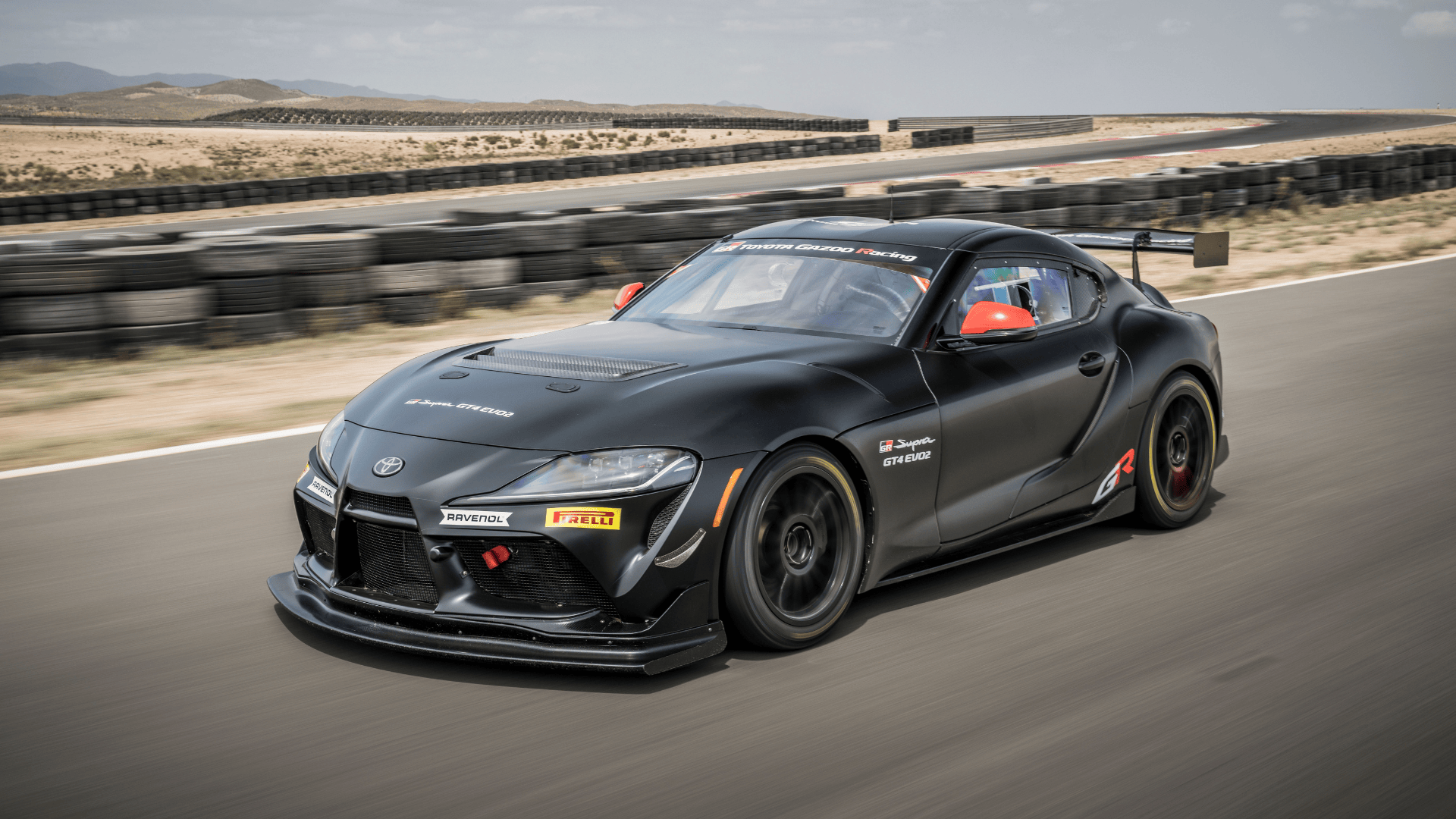
06/06/2025Toyota GR Supra GT4 Racecar Now Available for Australian Cus…TOYOTA GAZOO Racing Australia (TGRA) is continuing to expand its support for local motorsp…Read More
02/06/2025Toyota Go Customer Portal Celebrates 100,000 Registered User…Toyota Australia’s Toyota Go online customer portal has reached its 100,000th user registr…Read More
27/05/20252025 Arc Season Heats Up Following Thrilling Forest Rally in…A tightly fought Forest Rally in Western Australia over the weekend saw TOYOTA GAZOO Racin…Read More
21/05/2025All-New, Sixth-Generation Toyota RAV4 Makes Global DebutToyota has unveiled its all-new RAV4 medium SUV, which builds on the legacy of its popular…Read More
16/05/2025Toyota Continues Journey Towards Carbon Neutrality with Glob…Toyota has unveiled the next step in its multi-pathway approach to decarbonisation with th…Read More
08/05/2025Upgraded Corolla Cross Coming to AustraliaToyota’s upgraded Corolla Cross will arrive in Australian showrooms in the second half of …Read More
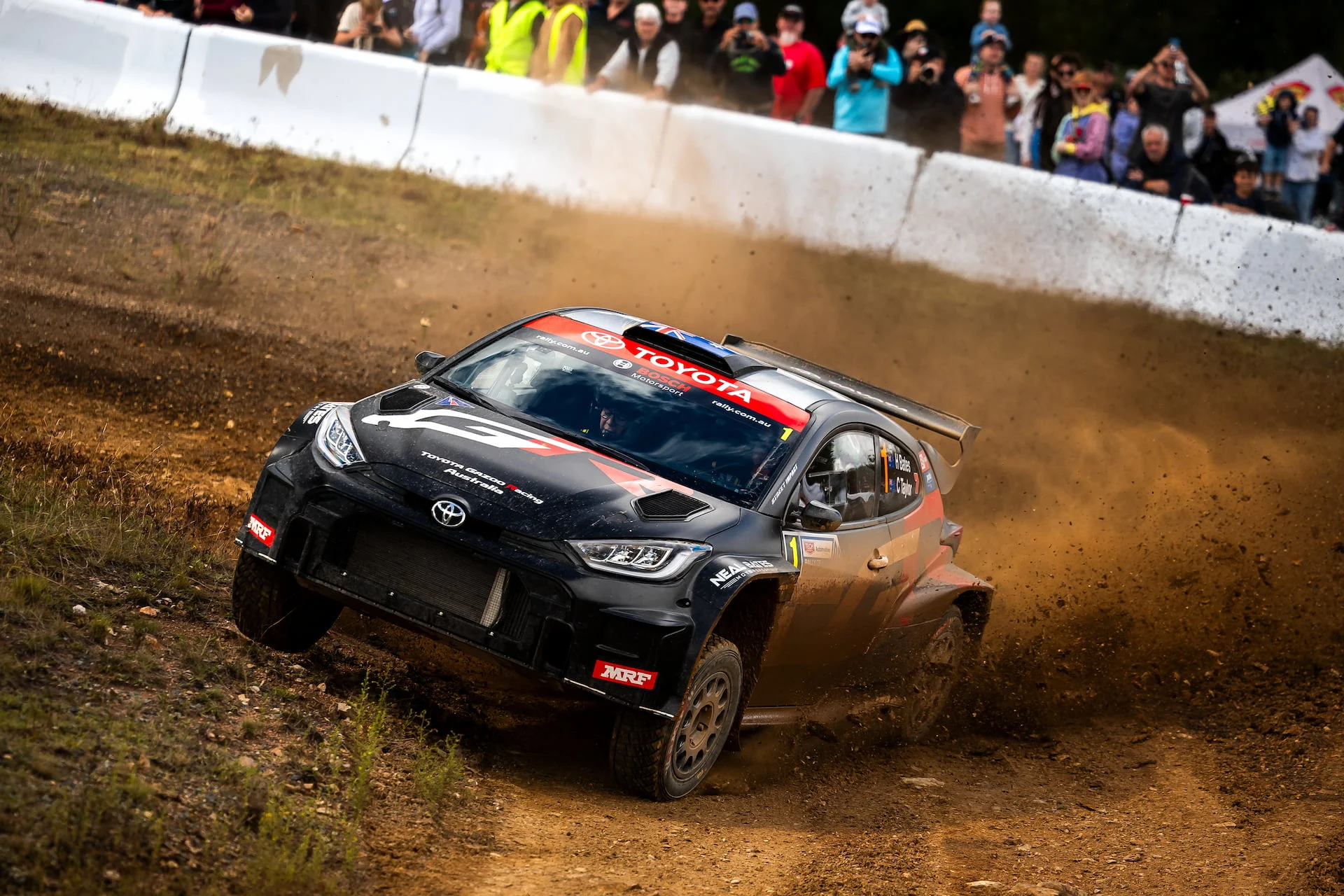
25/03/2025Lewis Bates Kicks Off 2025 Arc Season With Maiden Win At Toy…TOYOTA GAZOO Racing Australia (TGRA) has secured its seventh consecutive victory at the TO…Read More
19/03/2025Toyota Gazoo Racing Australia Ready for Action-Packed 2025 A…TOYOTA GAZOO Racing Australia (TGRA) is ready to begin its Australian Rally Championship (…Read More
12/03/2025Enhanced Toyota bZ4X Revealed with Improved Performance, Ran…New Toyota bZ4X BEV revealed with larger battery, improved motor output.Read More
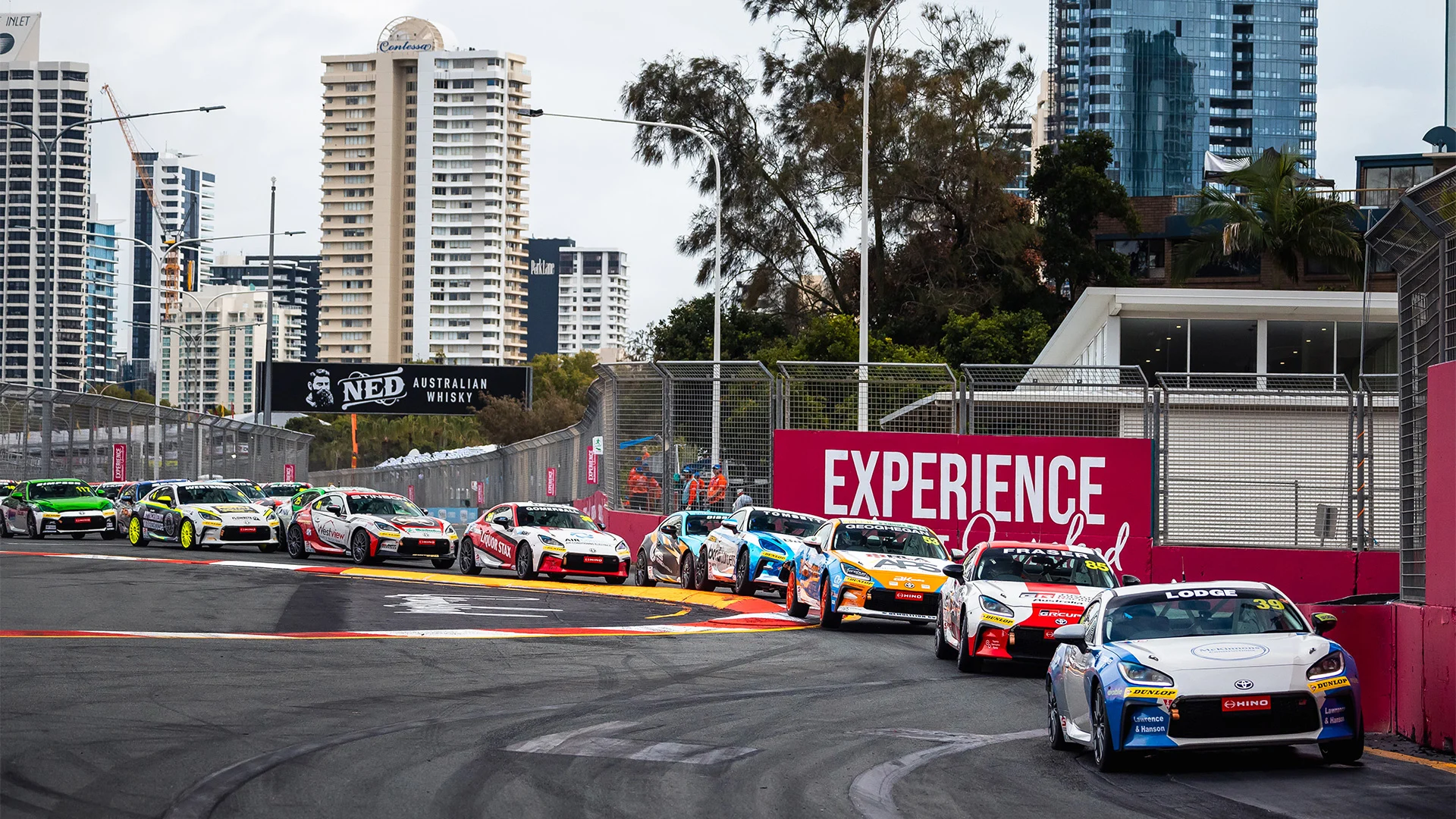
26/02/2025Big Year of Toyota Motorsport Kicks Off with 2025 TGRA Schol…TOYOTA GAZOO Racing Australia (TGRA) is gearing up for another massive year of local motor…Read More
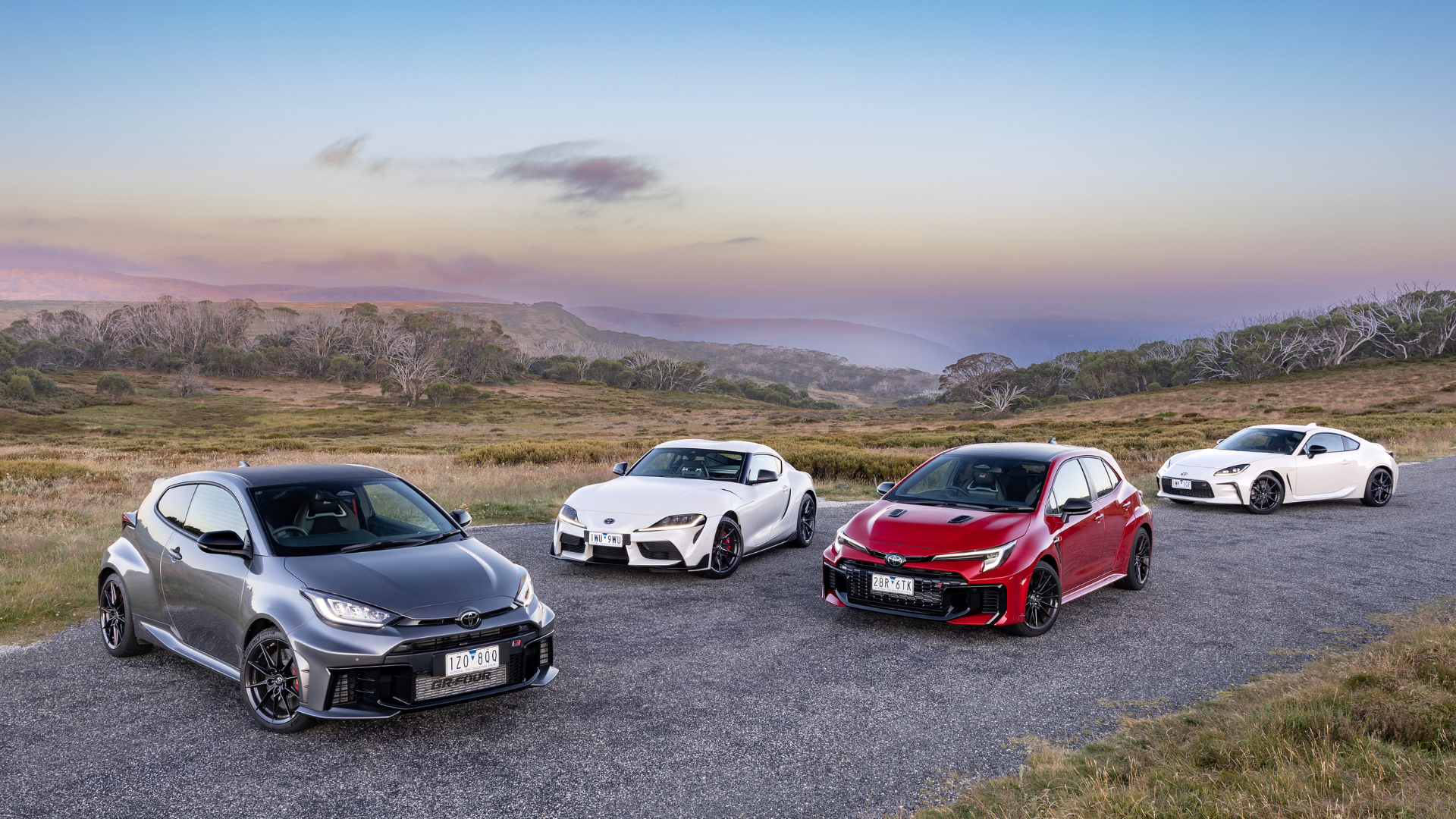
26/02/2025Toyota GAZOO Racing Lineup Delivers Improved Performance, St…Toyota’s GR lineup of motorsport-honed performance vehicles has been refreshed for 2025, p…Read More
22/04/2026Customer Experience Survey WinnersToyota is proud to announce the February 2026 winners of the Customer Experience Survey. E…Read More
27/01/2026Customer Experience Survey WinnersToyota is proud to announce the December 2025 winners of the Customer Experience Survey. E…Read More
19/01/2026Jarrad Wrigley crowned 46th Toyota Star Maker WinnerJarrad Wrigley, Nundubbermere, QLD has been crowned the 46th Toyota Star Maker winner afte…Read More
07/01/2026Toyota Australia announces measures to help combat vehicle t…Toyota corporate logoRead More
23/12/2025Customer Experience Survey WinnersToyota is proud to announce the November 2025 winners of the Customer Experience Survey. E…Read More
19/12/2025Toyota Go’s ‘12 Days of Giveaways’ Winners announcementFrom 1–12 December, we ran a series of daily competitions, some of skill and some of chanc…Read More
12/12/2025Toyota Go $1,000 Toyota Gift Card Winner - December 2025This month we asked Toyota Go members to tell us what dream their Toyota helped them chase…Read More
11/12/2025Dynamic New Toyota GR Yaris GTS Aero Performance Package Now…Toyota’s pulse-raising GR Yaris hot hatch has been made even more dynamic and engaging wit…Read More
10/12/2025Upgraded Toyota bZ4X Battery-Electric Range Arrives in Austr…Toyota’s upgraded bZ4X battery-electric SUV is now on sale in Australia priced from $55,99…Read More
09/12/2025New Toyota Hilux Range Lands in Australia with Major Improve…Toyota has launched its new-generation HiLux range in Australia boasting improved driveabi…Read More
09/12/2025Toyota Gazoo Racing W2RC Takes on 2026 Dakar Rally with Upda…TOYOTA GAZOO Racing W2RC (TGR W2RC) will kick off its FIA World Rally-Raid Championship (W…Read More
25/11/2025Customer Experience Survey WinnersToyota is proud to announce the August 2025 winners of the Customer Experience Survey. Eac…Read More
14/11/2025Toyota Go $1,000 Toyota Gift Card Winner - November 2025This month we asked Toyota Go members to tell us what dream their Toyota helped them chase…Read More
12/11/2025New-generation Toyota HiLux range arrives in Australian show…Toyota’s new-generation HiLux range arrives in Australian showrooms in December with an ex…Read More
11/11/2025All-new Toyota RAV4 range arriving in Australian showrooms i…The sixth-generation RAV4 medium SUV is set to offer Toyota customers significantly improv…Read More
11/11/2025Toyota to expand multi-pathway offering in Australia with ar…Toyota will broaden its battery-electric vehicle (BEV) offering in Australia with the arri…Read More
10/11/2025Toyota Gazoo Racing Australia caps off 2025 ARC season with …The TOYOTA GAZOO Racing Australia (TGRA) team has finished the 2025 Australian Rally Champ…Read More
10/11/2025TOYOTA UNVEILS NEW HILUX WITH BOLD DESIGN, INCREASED SAFETY …TOYOTA UNVEILS NEW HILUX WITH BOLD DESIGN, INCREASED SAFETY AND TECHNOLOGY, AND IMPROVED D…Read More
27/10/2025Toyota Go $1,000 Toyota Gift Card Winner - October 27, 2025This month we asked Toyota Go members to tell us what dream did their Toyota help you chas…Read More
24/10/2025You’re a winner! Winners announced to see Delta Goodrem live…Earlier this year, we asked Toyota Go members to tell us their favourite Delta song a…Read More
06/10/2025Ampol Foodary $100 Gift Card WinnersWe asked Toyota Go members to tell us what their ultimate road trip looks like?Read More
12/09/2025AFL Preliminary Finals WinnersLast week we asked Toyota Go members to describe their favourite AFL legendary moment and …Read More
05/09/2025A prize you’ll Adore! Winners announced to see Amy Shark liv…Last month we asked Toyota Go members to tell us what’s their ultimate road trip anth…Read More
03/09/2025All-New Toyota RAV4 to Offer Increased Grade and Hybrid Powe…The all-new RAV4 GR Sport will be available exclusively with a powerful all-wheel-drive PH…Read More
02/09/2025Toyota unveils GR Supra Supercar ahead of 2026 Supercars Cha…Toyota Australia has officially revealed its first GR Supra Supercar ahead of the brand’s …Read More
29/08/2025You’re a Champion! Winners announced to see Grinspoon live a…Earlier this month, we asked Toyota Go members to tell us their ultimate rock anthem …Read More
28/08/2025Toyota HiAce Updated with Improved Safety and TechnologyToyota has updated its HiAce commercial van with valuable enhancements to active safety an…Read More
28/08/2025Double Podium for Toyota GAZOO Racing Australia at Arc Gipps…An exciting weekend of rallying at the Australian Rally Championship (ARC) Middle of Every…Read More
26/08/2025Customer Experience Monthly Survey Prize Draw WinnersToyota is proud to announce the June 2025 winners of the Customer Experience Survey.Read More
18/07/2025Strong Customer Demand Prompts Order Pause On Landcruiser 70…Strong customer demand and relatively low production levels have prompted Toyota Australia…Read More
07/07/2025Toyota Delivers More Than 120,000 Vehicles for First Half of…Toyota Australia has recorded yet another strong month of sales in June with 20,225 sales.Read More
07/07/2025Heath Shaw’s Smother Takes Centre Stage as Toyota Australia’…Toyota Australia has announced the return of their much-loved Legendary Moments campaign d…Read More
07/07/2025Toyota Australia to Continue Driving Crickets Growth with Fo…Toyota Australia and Cricket Australia have today announced a four-year partnership extens…Read More
01/07/2025Toyota GR Supra Track Edition Arrives In Local Showrooms Fro…Toyota Australia’s most focused and dynamic GR Supra to date, the flagship Track Edition, …Read More
30/06/2025Toyota Confirms Pricing for Upgraded Corolla Cross Ahead of …Upgraded Corolla Cross to be priced from $37,440 for GX 2WD. Redesigned exterior, new colo…Read More
13/06/2025First-ever Performance Hybrid Toyota LandCruiser Makes Globa…The legendary Toyota LandCruiser has entered a new era with the reveal of its first ever p…Read More
10/06/2025Toyota Australia Records Best-Ever May Sales Result as 2024 …Toyota Australia has continued its strong first half of 2025 with its best-ever sales resu…Read More
06/06/2025Toyota GR Supra GT4 Racecar Now Available for Australian Cus…TOYOTA GAZOO Racing Australia (TGRA) is continuing to expand its support for local motorsp…Read More
02/06/2025Toyota Go Customer Portal Celebrates 100,000 Registered User…Toyota Australia’s Toyota Go online customer portal has reached its 100,000th user registr…Read More
27/05/20252025 Arc Season Heats Up Following Thrilling Forest Rally in…A tightly fought Forest Rally in Western Australia over the weekend saw TOYOTA GAZOO Racin…Read More
21/05/2025All-New, Sixth-Generation Toyota RAV4 Makes Global DebutToyota has unveiled its all-new RAV4 medium SUV, which builds on the legacy of its popular…Read More
16/05/2025Toyota Continues Journey Towards Carbon Neutrality with Glob…Toyota has unveiled the next step in its multi-pathway approach to decarbonisation with th…Read More
08/05/2025Upgraded Corolla Cross Coming to AustraliaToyota’s upgraded Corolla Cross will arrive in Australian showrooms in the second half of …Read More
25/03/2025Lewis Bates Kicks Off 2025 Arc Season With Maiden Win At Toy…TOYOTA GAZOO Racing Australia (TGRA) has secured its seventh consecutive victory at the TO…Read More
19/03/2025Toyota Gazoo Racing Australia Ready for Action-Packed 2025 A…TOYOTA GAZOO Racing Australia (TGRA) is ready to begin its Australian Rally Championship (…Read More
12/03/2025Enhanced Toyota bZ4X Revealed with Improved Performance, Ran…New Toyota bZ4X BEV revealed with larger battery, improved motor output.Read More
26/02/2025Big Year of Toyota Motorsport Kicks Off with 2025 TGRA Schol…TOYOTA GAZOO Racing Australia (TGRA) is gearing up for another massive year of local motor…Read More
26/02/2025Toyota GAZOO Racing Lineup Delivers Improved Performance, St…Toyota’s GR lineup of motorsport-honed performance vehicles has been refreshed for 2025, p…Read More
.png&w=128&q=75)